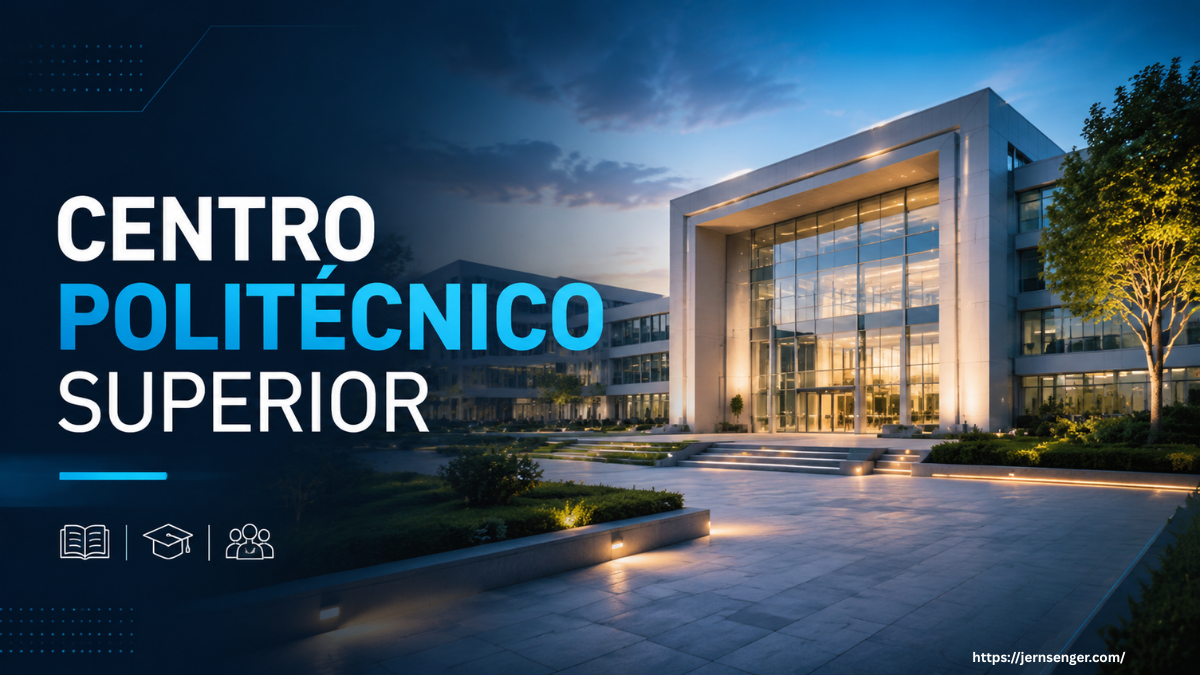
The Centro Politécnico Superior of the University of Zaragoza is a premier institution for technical education, designed to prepare students for real-world engineering and applied sciences careers. Its programs emphasize hands-on learning, allowing students to develop practical skills from day one.
In real use, graduates are already applying these skills through student projects, internships, and industry collaborations, gaining an advantage over peers who attend traditional theory-focused programs.
What Makes Centro Politécnico Superior Unique
Centro Politécnico Superior stands out due to its learning-by-doing philosophy. Students do not just study engineering concepts—they apply them directly in labs and workshops, creating prototypes, software, and mechanical models.
Faculty expertise ensures that theoretical concepts are linked to practical applications, and strong industry partnerships provide real-world context. From what I’ve seen, this approach develops problem-solving abilities, teamwork, and career readiness, making graduates highly employable.
History and Evolution of Centro Politécnico Superior
Located on the University of Zaragoza campus, Centro Politécnico Superior has a long-standing tradition of excellence in engineering programs and applied sciences. In 2011, it merged with EUITIZ to form EINA (Escuela de Ingeniería y Arquitectura), with former facilities including the Ada Byron building and Torres Quevedo building now housing modern technical programs.
This integration preserved the school’s legacy while adapting to digital transformation trends in technical education, ensuring continuity in innovation and research opportunities.
Modern Campus and State-of-the-Art Facilities
The CPS campus facilities are designed to foster hands-on learning. Students have access to advanced mechanical and electrical labs, computer labs with engineering software such as CAD and simulation tools, robotics kits, and collaborative spaces.
In real use, these facilities enable students to develop prototypes, work on technical competitions, and implement project-based workflows similar to those in industry. The campus ensures students gain practical skills and familiarity with tools currently used in the workforce.
Core Academic Programs at CPS: Engineering, IT & More
Centro Politécnico Superior offers programs in Mechanical Engineering, Electrical and Electronic Systems, Computer Science and IT, Automation and Robotics, Industrial Design, and Renewable Energy Systems.
Each program combines theory with hands-on labs and project-based learning, allowing students to apply knowledge immediately. For example, Computer Science students develop real software projects while Mechanical Engineering students build functional prototypes. This practical focus bridges the gap between classroom learning and real-world applications.
Hands-On Learning Approach: Learning by Doing
At CPS, learning is active and applied. Students collaborate on projects, participate in internships, solve case studies, and compete in technical competitions. From what I’ve seen, students who engage fully in these workflows graduate confident and skilled.
A common mistake is treating lab work as optional, but CPS integrates it into every program. This hands-on learning framework ensures students gain experience in problem-solving, communication, and teamwork—critical competencies for industry.
Industry Partnerships That Boost Career Readiness
CPS maintains strong industry-academia partnership models with manufacturing companies, tech firms, energy providers, and startups. These collaborations create internship programs, guest lectures, and research opportunities.
In real use, students frequently secure employment through these channels, gaining exposure to industry workflows, emerging technologies, and professional expectations. Such partnerships close the industry skill gaps common in traditional technical schools, producing graduates who are immediately career-ready.
Innovation and Research: From Labs to Startups
Innovation culture is central to CPS. Research centers support projects in smart automation, AI integration, sustainable materials, and renewable energy solutions. Students often transform lab work into real prototypes or startups, applying knowledge from multiple disciplines.
From what I’ve seen, cross-functional collaboration between Mechanical Engineering, IT, and Renewable Energy Systems students generates unique solutions. This emphasis on applied sciences and entrepreneurship encourages students to innovate and adapt in fast-changing technological environments.
Faculty Experience: Mentorship from Industry Experts
CPS faculty bring both academic knowledge and industry experience. Many have managed engineering projects, contributed to research, and collaborated with companies. In real use, students benefit from mentorship that connects classroom theory with industry practices.
Faculty guide student projects, supervise prototypes, and provide insights into real-world technical workflows, ensuring that graduates leave with both knowledge and practical confidence.
Student Life and Professional Development Programs
Beyond academics, CPS promotes student development through technical clubs, leadership programs, and innovation challenges. Workshops in communication, project management, and entrepreneurship complement core studies.
Students engage in community projects and technical competitions, fostering teamwork and leadership skills. Real-world exposure through these programs enhances their employability and prepares them to handle challenges in complex technical environments.
Alumni Success Stories and Real-World Impact
CPS graduates excel in roles across engineering support, IT system administration, automation and robotics maintenance, and renewable energy management. Many alumni have launched startups or commercialized prototypes developed during their studies.
In real use, CPS alumni demonstrate how applied learning and industry collaboration produce tangible results, validating the school’s hands-on approach and reinforcing its reputation as a modern technical school with measurable outcomes.
Comparing CPS With Other Technical Schools
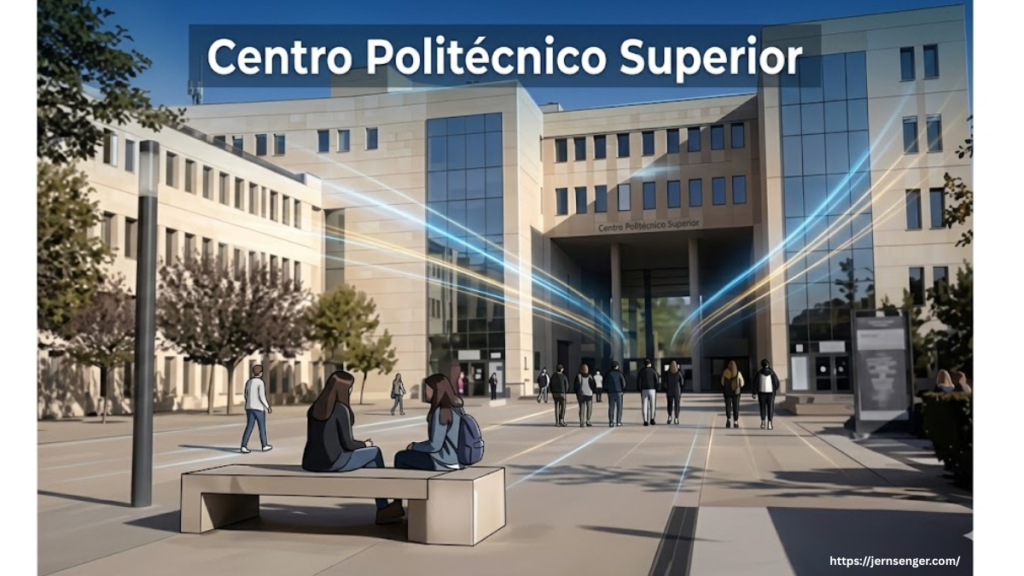
Compared to typical technical institutions, Centro Politécnico Superior integrates hands-on labs, industry partnerships, and innovation-driven research directly into its curriculum. While other schools may emphasize theory or provide occasional industry exposure, CPS offers a structured path to practical skills and career opportunities. Students graduate with both technical proficiency and applied experience, giving them a competitive advantage in the job market.
Common Mistakes and Risks for CPS Students
Students sometimes underestimate lab work or focus too heavily on theory while ignoring emerging technologies. Others fail to leverage internship programs or faculty mentorship. Recognizing these pitfalls is crucial for maximizing CPS benefits.
Engaging fully in projects, competitions, and collaborative workflows ensures that students gain real-world experience, reinforcing their hands-on learning journey and reducing the risk of being unprepared for industry demands.
When CPS Programs May Fall Short
While CPS excels at practical training, certain limitations exist. Rapidly changing technology can sometimes outpace curriculum updates. Some niche fields may lack dedicated courses, and students whose learning styles favor traditional lectures may need to supplement with online learning or certifications.
Awareness of these gaps allows students to proactively enhance skills and maintain a competitive edge in a dynamic technical landscape.
You may also like GoldZeus
Is Centro Politécnico Superior Worth It?
Centro Politécnico Superior is highly valuable for students seeking a combination of hands-on learning, applied sciences expertise, and direct industry exposure. From what I’ve seen, graduates leave with a strong portfolio of projects, prototypes, and professional experience.
With mentorship from experienced faculty and access to modern labs and campus facilities, CPS ensures students are career-ready and equipped to innovate. The investment in CPS education translates into tangible career opportunities and real-world impact.
Conclusion
Centro Politécnico Superior is a bridge between theoretical knowledge and practical application. Students gain technical expertise through engineering programs, develop practical skills in hands-on labs, and leverage industry partnerships to gain real-world experience.
Innovation, research, and professional development are integral to daily learning. Graduates leave the school prepared, confident, and capable of contributing meaningfully in applied sciences and technology-driven careers. CPS delivers not only education but a foundation for lifelong professional success.
FAQs
Is Centro Politécnico Superior worth it if I want a quick career path?
Yes, CPS is worth it, but it is designed for deep, hands-on learning rather than shortcuts. Students gain real-world skills through projects, internships, and lab work, which take time to develop. Quick certification alone won’t provide the same industry readiness, so patience and engagement are key.
Should I avoid Centro Politécnico Superior if I prefer theory-heavy programs?
Yes, CPS may not suit students who favor purely theoretical learning. Its curriculum emphasizes practical skills, labs, and industry collaboration, which can feel intense for theory-focused learners. Avoiding CPS without understanding this could mean missing out on career-ready experience.
What long-term impact does studying at CPS have on my career?
Graduates from CPS typically enjoy faster career growth and industry relevance due to practical experience and professional networks. Long-term, alumni often excel in leadership roles, innovation projects, or launching startups. The hands-on approach cultivates adaptability for emerging technologies.
What hidden risks or misconceptions should I know about CPS?
A common misconception is that CPS guarantees immediate job placement. While practical skills are strong, success depends on active engagement with labs, internships, and projects. Hidden risks include underestimating workload or neglecting cross-disciplinary collaboration, which can limit the value of hands-on experience.
In which scenarios could CPS programs fail to meet expectations?
CPS may fall short if students ignore rapidly evolving technologies or fail to supplement learning in niche areas. Programs might not cover every specialized tool, and a lack of engagement with faculty or industry mentors can lead to underdeveloped practical skills. Staying proactive and self-directed mitigates these failure scenarios.