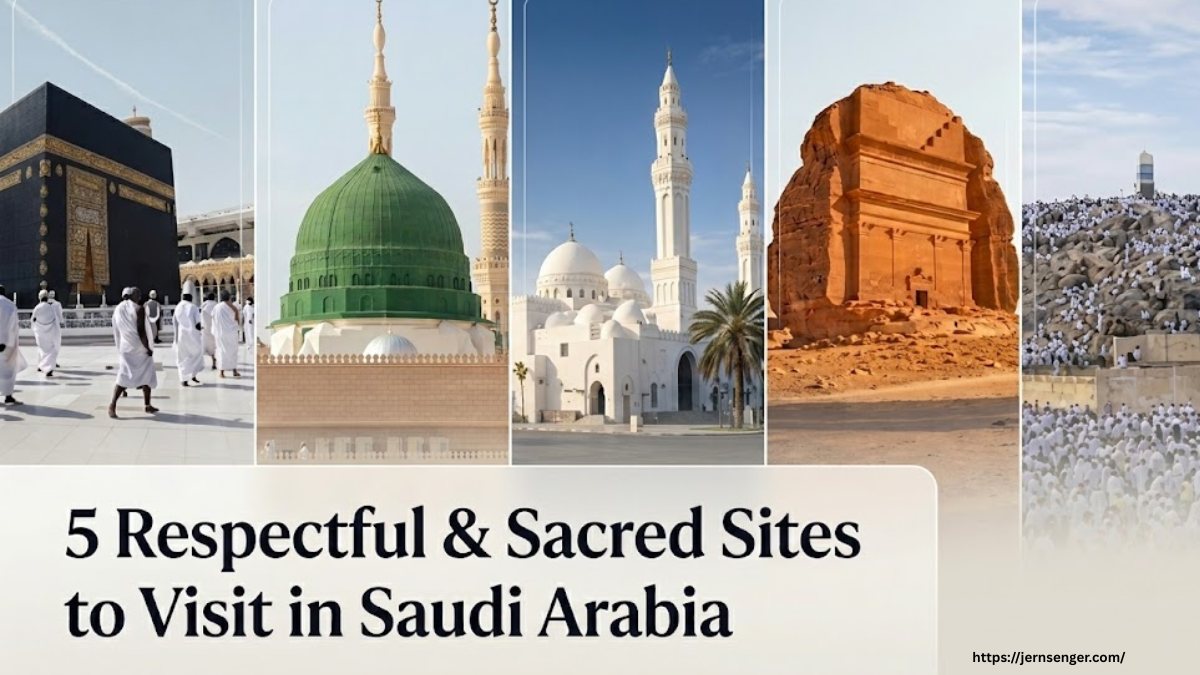
Visiting the 5 respectful & sacred sites in Saudi Arabia, Masjid al-Haram, Masjid an-Nabawi, Mount Arafat, Quba Mosque, and Jannat al-Baqi, is more than just travel. These sites are deeply rooted in the Islamic faith and offer an immersive spiritual journey. Whether you’re a first-time pilgrim or a returning worshipper, understanding these sites’ significance enhances the pilgrimage experience.
What Are the Most Respectful & Sacred Sites to Visit in Saudi Arabia?
Saudi Arabia is home to some of the most important Islamic pilgrimage sites globally, with Masjid al-Haram and Masjid an-Nabawi standing at the center. These sites, along with Mount Arafat, the Quba Mosque, and Jannat al-Baqi, are visited by millions of Muslims each year for Hajj and Umrah pilgrimages. Masjid al-Haram houses the Kaaba, the most sacred structure in Islam, towards which all Muslims face during prayer.
Masjid an-Nabawi, located in Madinah, is the resting place of Prophet Muhammad and is a spiritual hub for Muslims worldwide. Mount Arafat, a key site during Hajj, symbolizes the Day of Judgment, while the Quba Mosque, the first mosque in Islam, holds deep religious significance. Finally, Jannat al-Baqi, the cemetery in Madinah, connects visitors to Islamic history.
Why Visiting Sacred Sites in Saudi Arabia Is More Than Travel
Visiting sacred sites in Saudi Arabia is a journey that transcends mere tourism. Hajj and Umrah are not just rituals—they are deeply spiritual acts. Masjid al-Haram, for example, is where the powerful Tawaf ritual takes place, symbolizing the unity of Muslims across the globe. The first sight of the Kaaba can trigger an emotional awakening, a moment where faith takes on a profound personal meaning.
Similarly, Masjid an-Nabawi offers not just prayer but also a chance to connect with Prophet Muhammad’s legacy, particularly in the area known as Rawdah, which is considered one of the gardens of Paradise.
In real use, pilgrims often find the experience to be life-changing. The atmosphere at Mount Arafat and the Quba Mosque provides moments of reflection and a deep spiritual connection that’s unmatched by any ordinary tourist attraction. The purpose of visiting these sites is not just to check a destination off a list but to undergo a transformation through faith.
Who Can Visit These Sacred Sites (Muslims vs Non-Muslims Explained)
Access to the sacred sites in Saudi Arabia is restricted based on religious guidelines. Makkah, where Masjid al-Haram is located, is exclusively for Muslims, and non-Muslims are not permitted to enter. Madinah, home to Masjid an-Nabawi, allows some access to non-Muslims, but areas directly related to the mosque remain restricted.
However, several UNESCO sites, such as Hegra and the At-Turaif District, are open to all visitors, offering a different kind of cultural tourism experience. Hajj and Umrah are key pilgrimage experiences that require specific Nusuk app permits for access, ensuring that only those fulfilling their religious duties can visit the holiest sites. For non-Muslims, understanding these restrictions is crucial to ensuring a respectful and compliant visit to the kingdom.
How to Plan Your Visit to 5 Respectful & Sacred Sites in Saudi Arabia
To visit the 5 sacred sites, pilgrimage planning is essential. Start by deciding whether you’re traveling for Hajj or Umrah, as both have different requirements and timing. Umrah packages 2026 are already available, and many travelers prefer booking through travel agencies offering Umrah packages in the UK or other regions. The Nusuk app is indispensable for booking permits and organizing logistics in real time.
Best Time to Visit Makkah and Madinah for a Peaceful Spiritual Experience
The best times to visit Makkah and Madinah for a peaceful spiritual experience are during off-peak months like Safar and Rajab. While Ramadan and the Hajj season are spiritually significant, they attract large crowds, which can sometimes disrupt the quiet reflection many seek.
Early mornings or after Isha prayers tend to be the most tranquil times for worship in Masjid al-Haram and Masjid an-Nabawi. From what I’ve seen, 2026 trends show a shift toward visiting during off-peak times for those seeking deeper reflection without the overwhelming crowds.
Essential Etiquette: How to Respect Holy Places in Saudi Arabia
Respecting the sacred sites goes beyond physical actions—it involves mindfulness. Tourist code of conduct in Saudi Arabia demands that visitors dress modestly, maintain silence, and avoid taking intrusive photos, especially during prayers. Pilgrims should also be aware of Mosque entry rules, such as not disturbing others during Tawaf at Masjid al-Haram or visiting Rawdah in Masjid an-Nabawi.
A common mistake is underestimating the significance of these sites, treating them like regular tourist spots. In real use, pilgrims who embrace the spiritual journey with reverence often experience a more profound connection to the places they visit.
What Visiting Masjid al-Haram Feels Like (First-Time Pilgrim Experience)
The first-time Umrah experience at Masjid al-Haram can be overwhelming. As the heart of Islamic worship, the Kaaba dominates the scene. Tawaf, the act of circling the Kaaba, is one of the most emotionally powerful moments, and it often evokes tears, humility, and spiritual clarity.
From what I’ve seen, first-time pilgrims often experience a mix of awe, nervousness, and devotion that transforms into serenity after the ritual. The atmosphere is filled with unity, as millions of worshippers join in the same sacred act, reinforcing the global brotherhood of Islam.
A Day in Madinah: Real Spiritual Experience at Masjid an-Nabawi
Spending a day at Masjid an-Nabawi in Madinah offers a quiet contrast to the bustling atmosphere of Makkah. The key experience here is visiting Rawdah, the area between the Prophet’s pulpit and his chamber, considered one of the gardens of Paradise.
Many pilgrims describe their time in Madinah as a reflective period—an opportunity to connect with Prophet Muhammad’s legacy and deepen their faith. In real use, pilgrims often find Madinah to be a place of spiritual restoration, offering peace and connection to the Prophet’s teachings.
Masjid al-Haram vs Masjid an-Nabawi: Key Differences Every Visitor Should Know
While both Masjid al-Haram and Masjid an-Nabawi are sacred, their atmospheres and significance differ. Masjid al-Haram is intense, filled with energy and a focus on ritual. The Kaaba demands attention, and Tawaf becomes the central experience. On the other hand, Masjid an-Nabawi is more about reflection and a peaceful connection with the Prophet’s legacy.
The Deeper Meaning Behind Mount Arafat, Quba Mosque, and Jannat al-Baqi
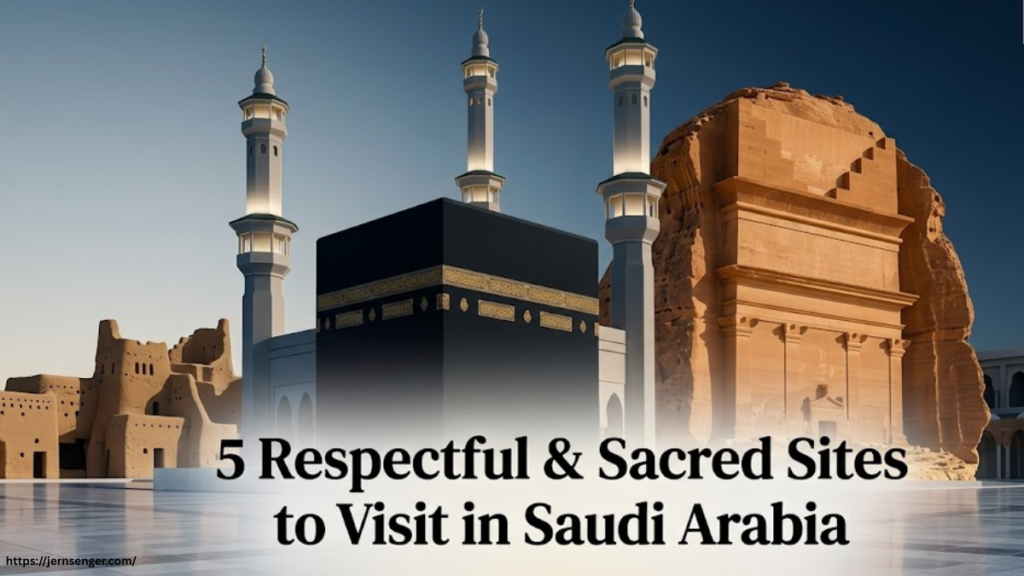
Each of these sites carries a deep spiritual meaning. Mount Arafat represents repentance and forgiveness, a moment where Hajj pilgrims stand before Allah in humility. Quba Mosque is associated with the Sunnah of Prophet Muhammad, while Jannat al-Baqi reminds visitors of the Hereafter, with the graves of the Prophet’s companions.
Spiritual reflection at these sites often provides a profound sense of humility and connection to Islamic history.
Common Mistakes Pilgrims Make When Visiting Sacred Sites in Saudi Arabia
A common mistake is over-packing the Umrah itinerary or trying to see everything at once. This leads to exhaustion and missed moments of reflection. Another mistake is neglecting the spiritual etiquette of the sites, which diminishes the experience.
From what I’ve seen, pilgrims who simplify their visit, avoid over-scheduling, and respect the sacredness of the sites tend to have a more impactful journey.
When Visiting Sacred Sites Doesn’t Feel Spiritual (And Why It Happens)
Sometimes, despite being at some of the holiest sites, pilgrims may not feel the expected spiritual connection. This is often due to factors like crowd overwhelm, physical exhaustion, or distraction. The key to overcoming this is preparation—mental, physical, and spiritual.
You may also like Classroom 15X
Are Umrah Packages Worth It for Visiting Sacred Sites in Saudi Arabia?
Umrah packages can offer great convenience, particularly for first-time pilgrims. They provide everything from transportation to permit booking, easing the logistical burden. However, experienced pilgrims may prefer to travel independently, allowing more flexibility and control over their experience.
Conclusion
Visiting the 5 respectful & sacred sites to visit in Saudi Arabia is more than travel; it’s a transformative spiritual journey. Each site offers a unique opportunity for connection, reflection, and faith renewal. Whether you are visiting for Hajj, Umrah, or simply seeking spiritual growth, these sacred places offer an experience that transcends the ordinary.
FAQs
Should You Avoid Visiting Sacred Sites in Saudi Arabia During Peak Hajj Season?
It’s not necessary to avoid visiting sacred sites during Hajj season, but it comes with challenges. The crowds during Hajj can overwhelm the spiritual experience, leading to exhaustion and distraction. If you seek a more reflective and peaceful visit, consider scheduling your visit during off-peak months like Safar or Rajab instead.
Is It Worth Booking an All-Inclusive Umrah Package for Your Visit?
While Umrah packages offer convenience, they might limit your flexibility in certain situations. If you prioritize structure and convenience, these packages are ideal. However, experienced pilgrims might find that independent travel offers a deeper, more personal experience with flexibility to explore sacred sites at their own pace.
What Is the Long-Term Impact of Visiting Sacred Sites on Your Faith?
Visiting the sacred sites in Saudi Arabia can have a lasting spiritual impact. It often leads to a deeper connection with Islamic history, an improved sense of purpose, and a renewed commitment to faith. Many pilgrims return home with a changed perspective on daily life and their relationship with Allah.
What Are the Hidden Risks When Traveling for Hajj or Umrah?
A hidden risk is physical exhaustion, especially when pilgrims overschedule their days. The long walks between sites and the intense rituals can be taxing, particularly during peak seasons. Managing your health and understanding your physical limits is essential to avoid burnout and maximize your spiritual experience.
What Are Some Common Misconceptions About Visiting the Sacred Sites in Saudi Arabia?
A common misconception is that Masjid al-Haram is the only site that matters. While it is the holiest, other sites like Mount Arafat, Quba Mosque, and Jannat al-Baqi also offer profound spiritual experiences. Not understanding the significance of these places can limit your pilgrimage experience and spiritual growth.