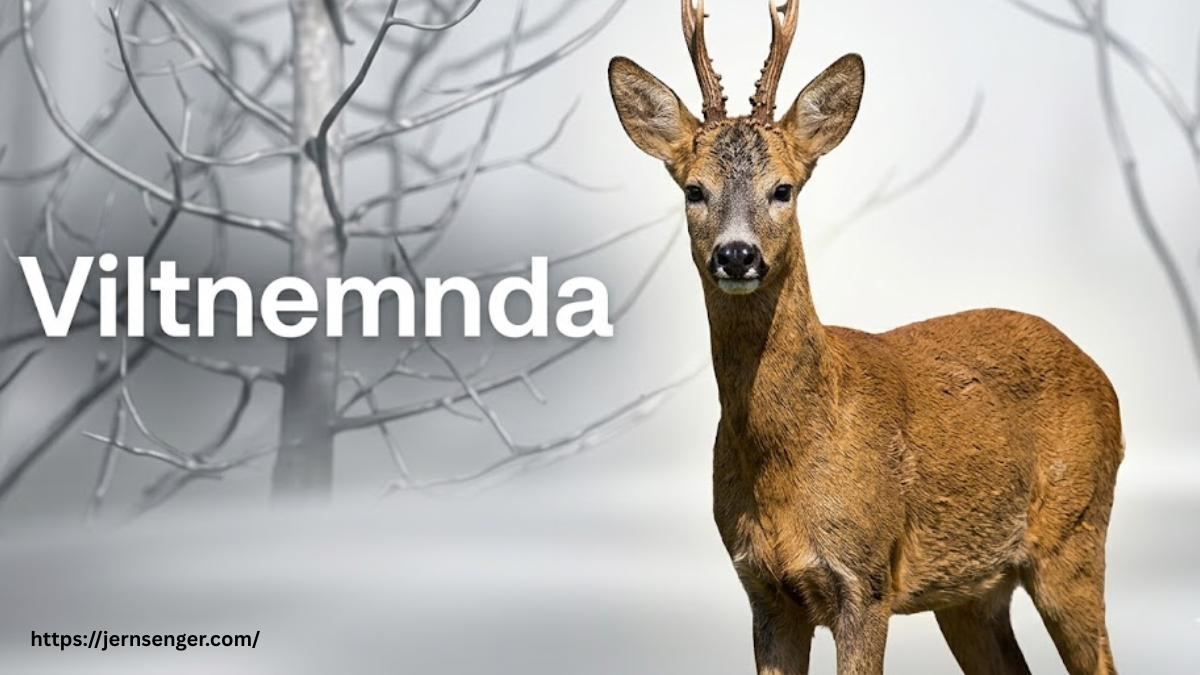
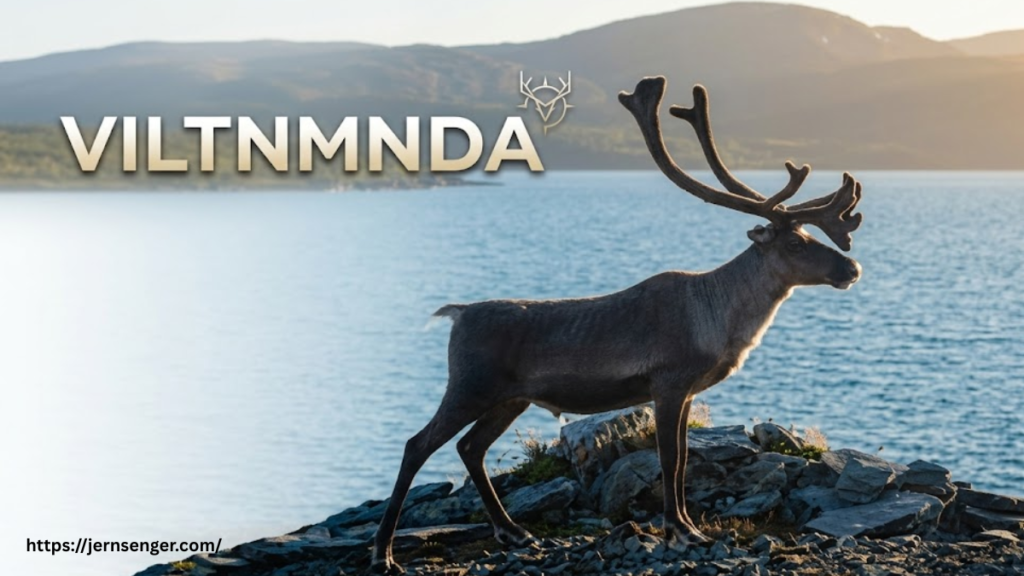
Viltnemnda is a local wildlife management body in Norway responsible for overseeing sustainable wildlife practices and protecting biodiversity within its municipalities. Its roles encompass regulating hunting activities, handling injured animals, and ensuring the health of local ecosystems. Operating in alignment with national policies, Viltnemnda’s actions have a direct impact on both wildlife and human communities, making it an essential player in Norway’s environmental governance.
What Is Viltnemnda and Why Does It Exist in Norway?
Viltnemnda serves as the cornerstone of Norway’s local wildlife governance, ensuring that wildlife populations are managed sustainably. It was established to manage the balance between human activity, such as hunting and farming, and the preservation of the country’s diverse ecosystems.
From what I’ve seen, this decentralised approach helps adapt wildlife management practices to local conditions. Instead of relying solely on national policy, municipal authorities can make decisions that are more directly applicable to their environment, improving ecosystem sustainability and supporting biodiversity preservation.
Viltnemnda was created to address specific challenges, such as human-wildlife conflict and environmental sustainability, by having localised decision-makers handle these complex issues.
How Viltnemnda Fits Into Norway’s Wildlife Management System
Operating within Norway’s broader wildlife management system, Viltnemnda ensures that national wildlife regulations align with on-the-ground realities. This dual structure allows local authorities to implement laws in a way that is flexible and adaptive.
Viltnemnda’s integration with the Norwegian Wildlife Act plays a crucial role. While national policies set the framework for wildlife protection and hunting regulations, Viltnemnda implements these policies locally, tailoring them to meet regional needs. Wildlife population control, habitat preservation, and sustainable hunting practices are managed at the local level, ensuring the ongoing health of Norway’s wildlife.
What Laws Govern Viltnemnda Decisions?
The core legislation that guides Viltnemnda’s decisions is the Norwegian Wildlife Act, which provides a framework for wildlife management and biodiversity conservation. This Act dictates everything from the management of hunting quotas to injured animal handling (via the fallvilt system), ensuring that wildlife is protected under law.
In real use, Viltnemnda operates under these strict regulations, helping local municipalities understand how to manage species like moose, deer, and reindeer while ensuring the ecosystem’s balance remains intact. As climate change presents new challenges to wildlife, the Act is evolving, with updates to address issues like species migration and habitat changes.
What Does Viltnemnda Actually Do Day to Day?
Viltnemnda’s day-to-day operations are diverse and hands-on. It involves a mixture of administrative tasks, fieldwork, and community engagement. Key responsibilities include setting hunting quotas, managing hunting permits, overseeing wildlife population tracking, and responding to wildlife emergencies, such as animal collisions or injured wildlife.
In real use, Viltnemnda plays a critical role in balancing the needs of farmers, hunters, and conservationists. They ensure humane treatment of animals while regulating practices that can otherwise threaten ecosystem stability.
How Hunting Permits, Quotas, and ‘Vald’ Are Managed Locally
Viltnemnda’s management of hunting involves:
- Defining hunting zones (known as ‘vald’) where hunting can occur.
- Setting quotas based on wildlife population data.
- Issuing permits that regulate who can hunt and how much can be taken.
Sustainable hunting is at the heart of these practices. By using real-time data and scientific assessments, Viltnemnda ensures that hunting does not surpass sustainable limits, maintaining the delicate balance of wildlife populations.
What Happens When You Hit an Animal? (Emergency Process Explained)
If you hit an animal in Norway, Viltnemnda is part of the emergency protocol. The fallvilt system, designed to respond to such incidents, requires citizens to follow certain steps when a wildlife collision occurs.
In real use, timely reporting is crucial. A delay can exacerbate suffering and complicate recovery efforts, emphasising the importance of swift response.
How Viltnemnda Handles Injured Wildlife (Fallvilt System Workflow)
The fallvilt system is an emergency response mechanism for managing injured or stranded wildlife. When an animal is found injured, Viltnemnda teams, along with local wildlife officers, assess the situation.
From what I’ve seen, the fallvilt system is well-coordinated, ensuring that injured wildlife is handled with care while also maintaining ecosystem health.
How Local Communities Interact With Viltnemnda Decisions
Local communities are crucial to Viltnemnda’s success. Decisions often require feedback from farmers, hunters, environmentalists, and the general public to balance conservation and local interests.
In real use, Viltnemnda encourages community participation, ensuring that decisions around wildlife population control, hunting regulations, and land-use policies are not only informed by experts but also by those directly affected by these decisions.
How Viltnemnda Balances Conservation vs Farming Conflicts
A significant challenge for Viltnemnda is the conflict between wildlife conservation and farming. In rural areas, wildlife such as moose can cause substantial crop damage, leading to tension between farmers and wildlife advocates.
In real use, managing these conflicts requires constant communication and adaptation, especially as climate change influences animal behaviour and migration patterns.
How Wildlife Data and Population Tracking Influence Decisions
Viltnemnda’s decision-making is driven by data—particularly wildlife population tracking. By using GPS tracking, aerial surveys, and other wildlife monitoring systems, Viltnemnda ensures that hunting and conservation practices align with real-time population dynamics.
A common mistake is relying on outdated data. In 2026, Viltnemnda is increasingly using drones and AI technology for better monitoring and more accurate wildlife tracking, enhancing its decision-making abilities.
Viltnemnda vs Other Wildlife Authorities: What’s Different?
When compared to other wildlife boards, Viltnemnda stands out for its local authority and adaptive governance. Unlike national agencies, which can be slower to act, Viltnemnda can respond quickly to local wildlife crises and adjust policies as needed.
In real use, this flexibility allows Viltnemnda to better manage human-wildlife conflict, population fluctuations, and ecosystem changes than broader national systems.
You may also like Rodwajlery
When Viltnemnda Decisions Fail (Limits of Local Wildlife Control)
Like any management system, Viltnemnda is not without its limitations. Resource constraints and political pressures often slow its ability to respond swiftly. In addition, climate change can drastically affect migration patterns and local biodiversity, which requires adaptation in management strategies.
Viltnemnda’s limitations are most apparent when facing larger environmental challenges, like species migration caused by global warming.
Conclusion
In conclusion, Viltnemnda plays a vital role in Norway’s wildlife management system. By balancing the needs of local communities with the requirements for biodiversity protection, it ensures that wildlife populations remain healthy, and ecosystems stay in balance. While challenges such as climate change and resource limitations persist, Viltnemnda’s ability to adapt and respond quickly to local wildlife needs makes it an invaluable part of Norway’s conservation efforts.
FAQs
Is Viltnemnda Really Effective in Protecting Norway’s Wildlife?
While Viltnemnda plays a critical role in wildlife management, it faces significant challenges like climate change and limited resources. Its effectiveness can be hindered by external factors beyond its control, such as policy limitations or emerging wildlife diseases. A more data-driven approach with updated technology could enhance its response.
Should I Avoid Hunting in Norway Due to Viltnemnda’s Regulations?
No, you shouldn’t avoid hunting in Norway altogether. While Viltnemnda enforces strict regulations, they are designed to ensure sustainable hunting practices and protect wildlife populations for future generations. In fact, hunting quotas help control overpopulation and protect ecosystems from harm. However, overhunting in unregulated areas can still harm the environment.
How Will Climate Change Affect Viltnemnda’s Wildlife Management Practices in the Long Term?
Climate change will significantly challenge Viltnemnda’s management efforts, leading to altered migration patterns and species distribution. In the long term, adaptation strategies such as data-driven decisions and climate-resilient policies will be crucial to maintaining biodiversity. Without these adjustments, wildlife populations could suffer, resulting in ecological imbalances.
What Are the Hidden Risks of Viltnemnda’s Hunting Quota System?
A hidden risk of the hunting quota system is the potential for mismanagement due to incomplete data. If population assessments are inaccurate or outdated, it could lead to either over-hunting or under-hunting, disturbing ecosystem stability. Furthermore, external pressures, like political influences, may undermine the scientific approach.
What Are the Misconceptions About Viltnemnda’s Role in Wildlife Conflicts?
A common misconception is that Viltnemnda only regulates hunting. In reality, Viltnemnda’s role extends to conflict resolution between wildlife and farming interests, such as preventing crop damage and managing human-wildlife conflict. This requires constant collaboration with local communities and farmers, which is often overlooked.