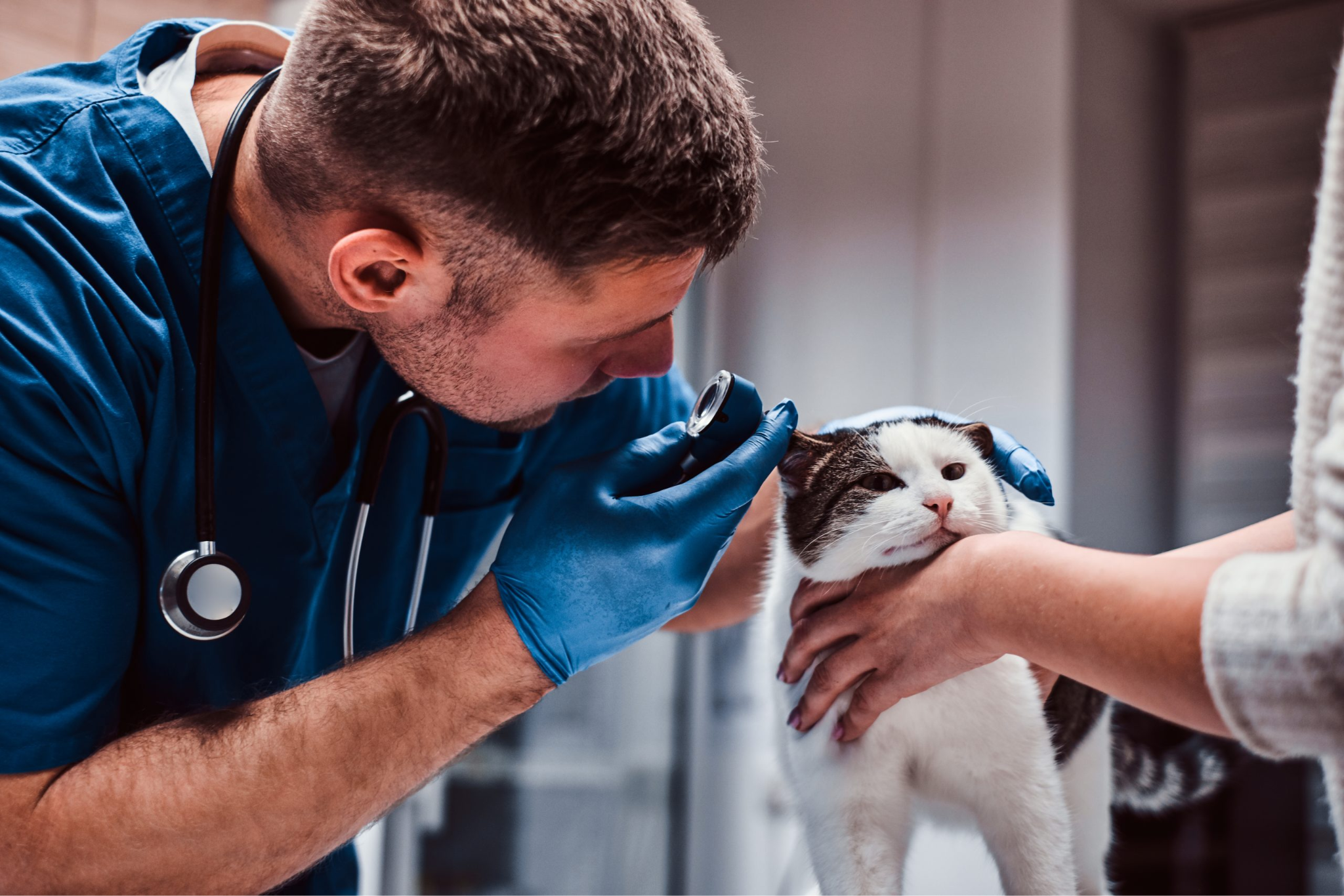
As a veterinarian, your income depends on your ability to carry out your duty of caring for animals. An injury or illness may prevent you from working, leading to a significant reduction in your income. Disability insurance for veterinarians protects your income by providing regular payments if you’re unable to work. Here is more information on the financial security disability insurance offers for veterinarians:
Secure Your Income
Your disability insurance helps you meet financial obligations if a covered condition prevents you from working. It typically replaces part of your income by paying a percentage of your earnings, and the coverage amount is usually based on your income at the time you apply. If you become unable to work, benefits generally begin after a set waiting period.
The amount you receive depends on your pre-disability income and the terms of your policy. Options are available at different career stages, from entry-level to established professionals. Disability insurance also supports financial planning by providing a defined source of income during a covered absence from work, but terms and coverage vary. Policies include short-term and long-term options. Review policy details, such as definitions of disability, exclusions, benefit periods, and waiting periods, with the insurer before purchasing so you can assess how well the coverage fits your needs.
Protect Your Practice
Your ability to practice as a veterinarian depends on maintaining your credentials and staying current in the field. Disability insurance for veterinarians provides income replacement if you cannot work due to a covered condition. Those funds may be used for ongoing professional expenses, such as licensing fees or continuing education. To benefit more from your insurance plan, you should:
- Start early. When you are young and healthy, you benefit from compound interest, which grows your investment faster.
- Re-evaluate regularly. Your needs, lifestyle, and practice change over time, so review your policy periodically to confirm it still meets your needs.
- Understand the different coverage options available. This allows you to choose the coverage that fits your family’s needs and plans.
- Be thorough when filling out the application. Avoiding discrepancies or omissions reduces the risk of benefit denial after maturity.
Support Your Investments
Disability insurance provides income replacement during a covered period when you cannot work, which helps you maintain savings habits. It typically pays a portion of your pre-disability income, and those funds are directed toward ongoing expenses or investments. Optional riders are available with some policies; certain riders offer a lump-sum benefit if specified conditions are met. Review the terms and triggers for each rider with your insurer before adding one to your policy.
This added support helps reduce financial strain during recovery so you are able to focus on treatment and return to work. As you age, a reliable income stream becomes more necessary for retirement planning. Investing early builds a stronger foundation, and consistent contributions over time improve long-term outcomes. Insurance does not eliminate risk, but it helps manage income interruptions and supports financial stability.
Enhance Career Stability
Disability insurance does not create income for new pursuits; it replaces a portion of earnings when a covered condition limits your ability to work. How you use those benefits depends on your priorities, including education or skill development. Career changes are governed by policy terms, not guaranteed by the coverage. Definitions of disability, occupation class, and exclusions determine whether benefits continue if you move into a different role or industry. Review these provisions carefully, as they shape how coverage applies after a transition. Some policies offer features that address evolving professional needs, but they come with specific conditions. The policy does not renew licenses or fund time away from work directly, although benefit payments could be used for those expenses if eligibility requirements are met.
Protect Your Dependents
During a covered period when you cannot work, benefits help keep key expenses on track. Housing, utilities, food, and insurance premiums still need to be paid, and a steady payment supports those obligations. This continuity reduces disruption to daily responsibilities; it also allows you to focus more fully on recovery.
Household stability is another factor to evaluate. If your earnings stop, dependents still rely on consistent support for basic needs. Partial income replacement helps meet those needs, though it does not eliminate financial pressure. Policy terms, waiting periods, and benefit limits will shape how much support is available and for how long.
Invest in Disability Insurance for Veterinarians
Investing in disability insurance for veterinarians early gives you more flexibility to accumulate more savings. One of the benefits of disability insurance is that you can tailor it to your specific needs. Contact an insurance company today to learn more about disability insurance plan options for veterinarians.