
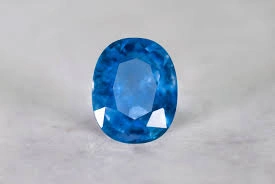
The modern gemstone market has evolved into a sophisticated space where buyers seek more than visual appeal. Precision, authenticity, and traceability now define purchasing decisions, especially for high-value stones like gemstone neelam. With increasing access to global suppliers and digital platforms, buyers must navigate a complex mix of natural, treated, and synthetic options. This makes it essential to understand how quality, origin, and pricing interact to determine true value. A well-informed approach ensures that a purchase is not only aesthetically satisfying but also financially sound. Today’s buyers are more analytical, focusing on certification, ethical sourcing, and long-term worth rather than impulse-driven decisions. This shift has reshaped how gemstones are evaluated and sold.
The following sections provide a structured perspective on identifying genuine quality, understanding geographic influence, and assessing fair market pricing in a competitive global environment.
Defining Quality Standards in Premium Blue Sapphires
Quality assessment in blue sapphires is a disciplined process that goes beyond surface-level beauty. The most critical parameter is color, where a balanced, vivid blue tone with optimal saturation commands a higher value. Stones that appear overly dark or pale often fall into lower pricing brackets due to reduced visual appeal. Clarity also plays a significant role, although natural inclusions are expected and can serve as indicators of authenticity rather than flaws.
Cut precision directly affects brilliance and light reflection, making it an essential factor in determining desirability. A well-cut stone maximizes visual performance, even if its carat weight is moderate. Carat size, while important, does not outweigh the combined influence of color and clarity. Buyers increasingly prioritize certified stones, as independent gemological reports validate these quality parameters. Understanding these elements ensures that purchasing decisions are grounded in measurable attributes rather than subjective impressions, ultimately leading to a more reliable and rewarding investment outcome.
The Role of Origin in Determining Value
Geographic origin significantly influences both perception and pricing in the sapphire market. Stones sourced from regions such as Kashmir, Sri Lanka, and Myanmar are often associated with distinctive color profiles and historical prestige. This association can elevate their market value, even when compared to stones of similar visual quality from less recognized locations.
However, origin alone should not dictate purchasing decisions. Advances in gemological testing have made it possible to verify sourcing claims, reducing the risk of misrepresentation. Buyers must evaluate origin in conjunction with measurable quality factors rather than relying solely on reputation. Ethical sourcing has also become a critical consideration, with increased emphasis on responsible mining practices and transparent supply chains.
In today’s market, origin serves as a value enhancer rather than a standalone determinant. A well-balanced approach that considers both provenance and physical characteristics allows buyers to make decisions that align with both financial expectations and ethical standards.
Understanding Pricing Dynamics in a Competitive Market
Pricing in the sapphire market is influenced by a combination of intrinsic and external factors. Intrinsic factors include color intensity, clarity, cut, and carat weight, all of which directly affect the stone’s desirability. External factors such as demand trends, global supply fluctuations, and currency variations also play a role in determining final pricing.
One of the most critical pricing considerations is treatment status. Untreated stones typically command a premium due to their rarity, while heat-treated stones are more accessible but still widely accepted in the market. Transparency in disclosing treatments is essential, as undisclosed enhancements can significantly impact value.
Market competition has also introduced greater price variation, making comparison an essential step in the buying process. Buyers who invest time in understanding pricing structures are better equipped to identify fair value. This approach reduces the likelihood of overpaying while ensuring that quality remains uncompromised.
Certification and Verification as Decision Tools
Certification has become a cornerstone of modern gemstone transactions, offering a standardized method of verifying authenticity and quality. Reputable gemological laboratories provide detailed reports that outline key attributes such as color grading, clarity characteristics, origin, and treatment status. These reports act as an objective reference point, reducing reliance on subjective seller claims.
For buyers, certification provides both assurance and transparency. It allows for easier comparison between different stones and ensures that pricing aligns with documented quality. In the case of high-value purchases, certification is not optional but essential.
Verification also extends to seller credibility. Established vendors with a track record of transparency and ethical practices add an additional layer of confidence. Combining certified documentation with a reliable source creates a structured and secure purchasing process, minimizing risk while maximizing value.
Strategic Buying Approach for Long-Term Value
A strategic approach to buying blue sapphires involves careful planning, research, and evaluation. Buyers should begin by defining their priorities, whether they are focused on investment potential, aesthetic appeal, or cultural significance. This clarity helps narrow down options and prevents unnecessary compromises.
Comparative analysis is another essential step. Reviewing multiple stones with similar specifications allows buyers to identify pricing patterns and detect inconsistencies. This process also highlights the importance of balancing quality factors rather than focusing on a single attribute.
Patience plays a crucial role in achieving the best outcome. Rushed decisions often lead to overlooked details and suboptimal purchases. Instead, taking the time to verify certification, assess seller credibility, and understand market conditions ensures a more informed choice.
Ultimately, a well-executed buying strategy transforms the purchase from a simple transaction into a calculated investment, offering both immediate satisfaction and long-term value retention.
Conclusion
Navigating the sapphire market requires a structured understanding of quality, origin, and pricing dynamics. Each factor contributes to the overall value of the stone, and overlooking any one element can lead to imbalanced decisions. By focusing on measurable quality standards, verified origin, and transparent pricing, buyers can approach the market with confidence and clarity.
For those seeking a premium blue sapphire stone in Bangalore, RudraTree serves as a credible destination that reflects both expertise and commitment to quality. With a focus on authenticity, transparent certification, and carefully curated selections, it offers buyers a reliable environment to make informed decisions. RudraTree emphasizes trust, consistency, and value, ensuring each purchase aligns with both quality expectations and long-term investment considerations in an evolving gemstone market.