
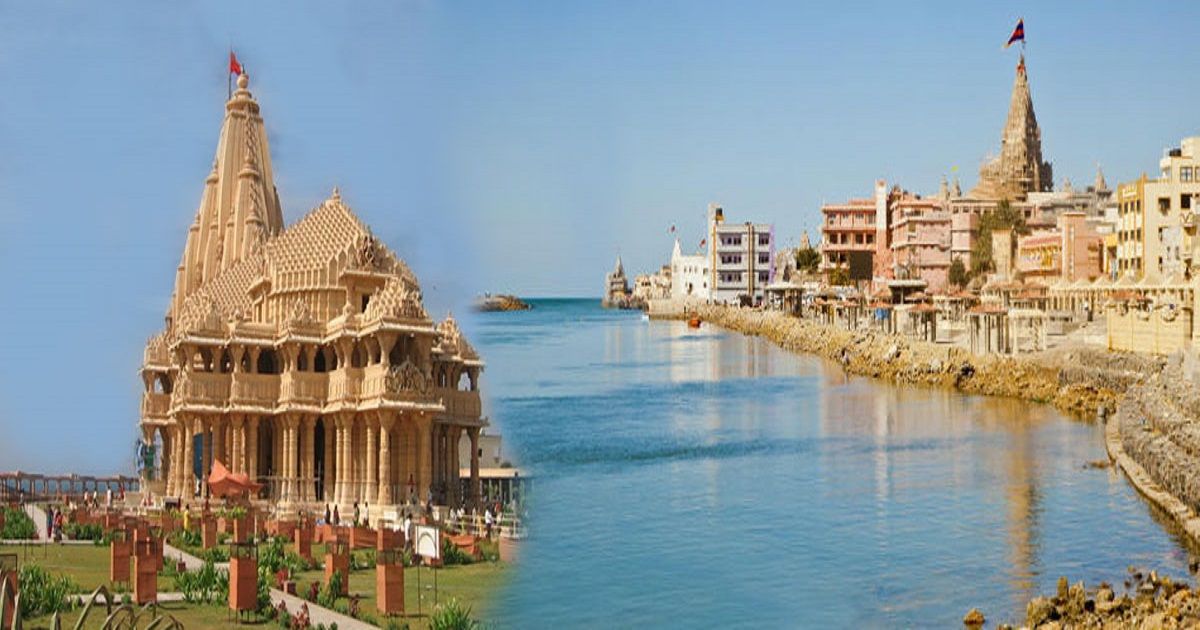
The spiritual heart of Gujarat beats strongest in the twin cities of Dwarka and Somnath. Choosing the right dwarka and somnath tour package ensures a seamless journey through ancient history, profound devotion, and the vast Arabian Sea coastline. These sites are not just religious landmarks; they represent the resilience of Indian heritage and the architectural brilliance of the Solanki style. This comprehensive guide provides everything you need to plan a meaningful pilgrimage, covering logistics, temple significance, and hidden gems along the Saurashtra coast.
Understanding the Spiritual Significance of Dwarka
Dwarka, often referred to as the “Kingdom of Lord Krishna,” is one of the four most sacred Hindu pilgrimage sites (Char Dham). Legend has it that the original city was built by Vishwakarma and later submerged into the sea after the Lord departed. Today, the Dwarkadhish Temple stands as a five-storied limestone structure supported by 72 pillars, attracting millions who seek a glimpse of the “King of Dwarka.”
The city thrives on the banks of the Gomti River. Pilgrims often begin their day with a holy dip in the river before entering the main shrine. The atmosphere here is thick with the scent of incense and the rhythmic chanting of prayers. Visiting Dwarka is a deep dive into the Mahabharata era, where every stone tells a story of the Yadava dynasty and the divine play of Krishna.
The Majesty of Somnath: The First Jyotirlinga
Somnath is home to the first of the twelve Jyotirlingas, representing the infinite nature of Lord Shiva. The temple has a tumultuous history, having been destroyed and reconstructed multiple times, which has earned it the title of “The Eternal Shrine.” The current structure, built in the Kailash Mahameru Prasad style, overlooks the Arabian Sea, offering a breathtaking view where the horizon meets the temple shikhara.
The sound of the crashing waves against the temple walls provides a natural symphony that complements the evening Aarti. One of the unique features of Somnath is the Arrow Pillar (Baana Stambh), which indicates a straight line from the coast to the South Pole without any landmass in between. This reflects the advanced geographical knowledge of ancient Indian architects.
Ideal Itinerary for Your Gujarat Pilgrimage
Day 1: Arrival in Rajkot or Jamnagar
Most travelers begin their journey by arriving at Rajkot or Jamnagar airport. From here, a drive to Dwarka takes approximately 3 to 4 hours. After checking into your accommodation, spend the evening at the Gomti Ghat. The evening Aarti at Dwarkadhish Temple is a powerful experience that sets the tone for the rest of your trip.
Day 2: The Sacred Sites of Dwarka and Beyt Dwarka
Dedicate your second day to the temples surrounding the main city. A short drive to Okha followed by a ferry ride takes you to Beyt Dwarka, the island where Krishna is believed to have lived. On the way back, visit the Nageshwar Jyotirlinga, one of the twelve sacred Shiva shrines, and the Gopi Talav, where the soil is said to be yellow sandalwood (Gopi Chandan). Do not miss the Rukmani Devi Temple, which is renowned for its intricate carvings and historical lore.
Day 3: Journey to Somnath via Porbandar
The drive from Dwarka to Somnath is roughly 230 kilometers and takes about 5 hours. Break your journey at Porbandar, the birthplace of Mahatma Gandhi. Visit Kirti Mandir and the Sudama Temple, the only temple in the world dedicated to Krishna’s childhood friend. Upon reaching Somnath in the evening, attend the Light and Sound show, which narrates the history of the temple in a captivating format.
Day 4: Somnath Sightseeing and Departure
Start early with the morning Abhishek at Somnath Temple. Afterward, visit the Triveni Sangam, the confluence of the Hiran, Kapila, and Saraswati rivers. Nearby is the Bhalka Tirth, the spot where Lord Krishna was accidentally struck by an arrow before his transition from the mortal world. Following this, you can head back to Rajkot or Ahmedabad for your return flight or train.
Best Time to Visit the Saurashtra Region
Weather plays a crucial role in the comfort of your pilgrimage. The coastal region of Gujarat can be quite humid during the summer months (March to June). Therefore, the period between October and February is considered ideal. The temperatures are pleasant, ranging from 15°C to 28°C, making it easy to stand in temple queues and walk around the historical sites.
If you prefer a culturally rich experience, consider visiting during Janmashtami (celebrating Krishna’s birth) or Maha Shivratri. While the crowds are significantly larger, the energy and decorations are unparalleled. For those looking for a quieter experience, the monsoon season (July to September) offers lush greenery, though ferry services to Beyt Dwarka may occasionally be disrupted by high tides.
Essential Travel Tips for Pilgrims
- Dress Code: Temples in Gujarat follow traditional norms. It is advisable to wear modest clothing. For men, dhotis or kurtas are preferred, while women usually wear sarees or salwar kameez.
- Photography Rules: Most main sanctums, including Dwarkadhish and Somnath, strictly prohibit cameras and mobile phones inside. Dedicated lockers are available outside the temple premises.
- Local Cuisine: Do not leave without trying a traditional Gujarati Thali. Items like Dhokla, Khandvi, and Thepla are staples. Since these are holy cities, the food is strictly vegetarian.
- Footwear: You will need to leave your shoes at the temple entrance. In the summer, the stone floors can get very hot, so look for the carpeted paths provided for devotees.
Connectivity and Transportation Options
Gujarat boasts some of the best road infrastructure in India. Hiring a private cab is the most flexible way to cover the Dwarka and Somnath circuit. State-run buses (GSRTC) are also frequent and offer budget-friendly travel. If you are traveling from far distances like Delhi or Mumbai, take a flight to Rajkot or a direct train to Dwarka Railway Station.
For those planning to visit the Gir National Park, Somnath serves as an excellent gateway. It is only about an hour’s drive to the home of the Asiatic Lions, allowing you to combine spirituality with wildlife adventure.
Why Book a Comprehensive Package?
Managing logistics between these two cities can be challenging due to the distance and temple timings. A pre-arranged dwarka and somnath tour package takes the stress out of finding reliable transport and quality hotels. These packages often include guided tours, ensuring you don’t miss the historical nuances of each site. Whether you are traveling with elderly parents or as a solo seeker, having a fixed schedule allows you to focus entirely on the spiritual experience rather than worrying about the next bus or hotel check-in.
Expanding Your Horizons: Beyond Gujarat
While the plains of Gujarat offer a coastal spiritual retreat, many pilgrims often look toward the northern heights for their next journey. The contrast between the salt marshes of Kutch and the snow-capped peaks of the Himalayas is stark yet equally moving. Planning a delhi to kailash mansarovar tour package is a logical step for those who have completed the Jyotirlinga circuit and wish to reach the ultimate abode of Shiva. Such high-altitude journeys require significant physical preparation and documentation, but the reward is a life-altering experience at the foot of Mount Kailash.
Final Thoughts on Your Spiritual Journey
A trip to Dwarka and Somnath is a journey through time. It is an opportunity to witness the living traditions of India that have survived for millennia. From the golden sands of Dwarka to the rhythmic bells of Somnath, every moment spent here is a lesson in faith and history. By planning your visit carefully and respecting local customs, you ensure that your pilgrimage is not just a vacation, but a milestone in your spiritual life.
The memories of the sun setting over the Arabian Sea while the temple flags (Dhvaj) flutter in the wind will stay with you long after you return home. As you wrap up your Gujarat itinerary, remember that the path of devotion is endless. Much like the preparation required for a delhi to kailash mansarovar tour package, the visit to Gujarat prepares the heart for greater challenges and deeper realizations. Pack your bags with a sense of reverence, and let the divine energy of Saurashtra guide your way.