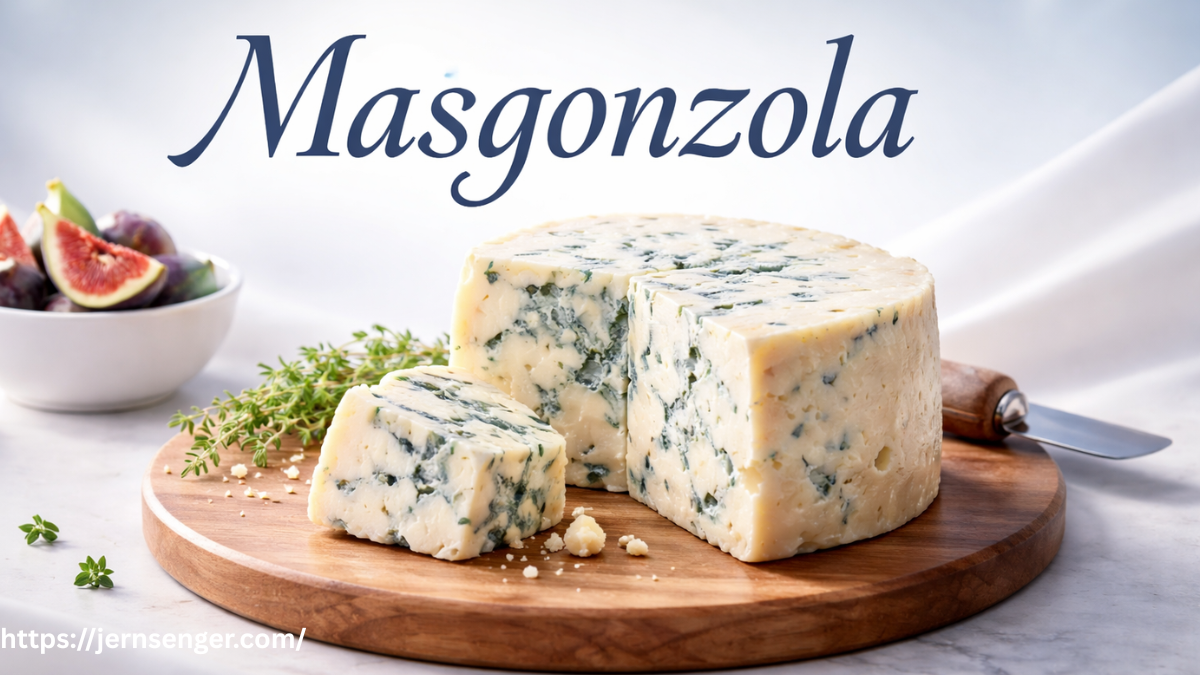
Masgonzola is a unique hybrid cheese that blends the creamy texture of Mascarpone with the bold flavors of Gorgonzola. Unlike traditional blue cheese, Masgonzola offers a milder taste that makes it more approachable for those who find stronger blue cheeses overwhelming. Whether you’re looking to elevate your savory dishes or add a twist to your desserts, Masgonzola is a versatile addition to your cheese repertoire.
What Is Masgonzola? A Unique Blend of Cream and Bold Flavors
Masgonzola is a fusion cheese made by combining the soft, creamy texture of Mascarpone with the sharp, tangy flavors of Gorgonzola. This blend offers the best of both worlds: a creamy base with a mild yet distinctive blue cheese tang.
From what I’ve seen, Masgonzola is perfect for those who enjoy the rich creaminess of Mascarpone but want a bit more depth from the blue-veined cheese. It’s an excellent entry point for people hesitant to try blue cheese due to its often overpowering taste.
The Origins and History Behind Masgonzola Cheese: From Ancient Italy to Modern Kitchens
The origins of Masgonzola trace back to Northern Italy, a region known for its artisanal cheese-making techniques. While Gorgonzola dates back to the 9th century, Masgonzola was created much more recently, in the early 2000s, by Italian chefs seeking to create a milder, more approachable version of blue cheese.
In real use, Masgonzola combines the traditional aspects of Italian cheese-making with modern culinary trends. By blending Mascarpone with Gorgonzola, chefs created a cheese that balances the richness of Mascarpone with the complexity of blue cheese.
How Masgonzola Is Made: Crafting the Perfect Blend of Mascarpone and Gorgonzola
The production of Masgonzola begins with Mascarpone, a soft, smooth Italian cream cheese. The process involves adding Gorgonzola (often young Gorgonzola Dolce) to the Mascarpone, allowing the blue mold cultures to grow and create the marbled veins that are characteristic of blue cheeses.
Key steps in the making process:
- Mascarpone base: Fresh cream is cultured with an acid, forming the creamy texture.
- Adding Gorgonzola: Gorgonzola is added, introducing the blue mold.
- Aging process: The cheese is aged for 60-90 days, resulting in a milder taste than traditional Gorgonzola.
A common mistake when making or purchasing Masgonzola is not paying attention to the aging process. Since it’s aged for a shorter period than Gorgonzola, the cheese is more delicate and can spoil faster if not stored properly.
Understanding the Flavor Profile of Masgonzola: A Creamy, Tangy Delight
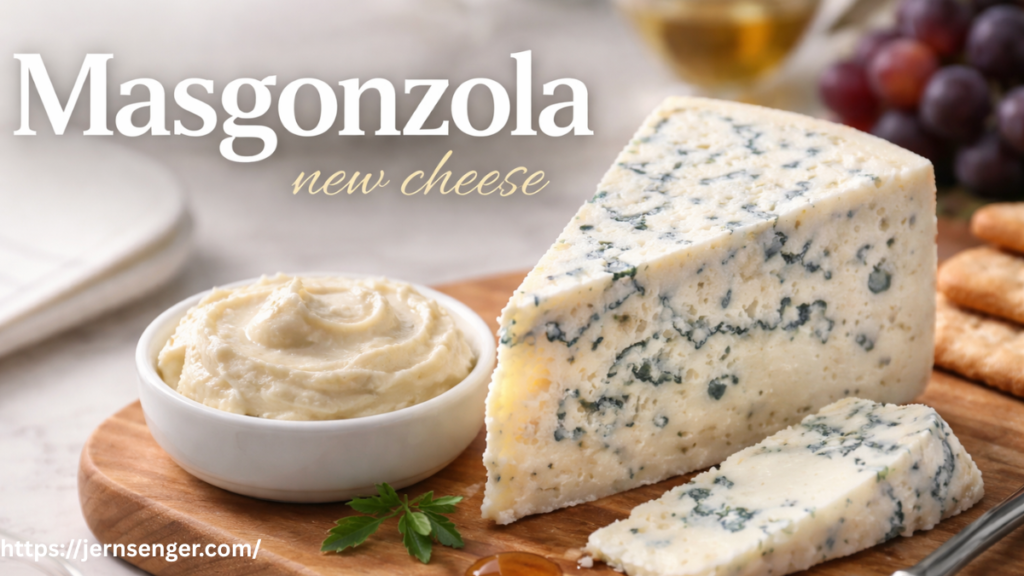
The flavor of Masgonzola is a balance between the creamy sweetness of Mascarpone and the sharpness of blue cheese.
- First taste: Creamy Mascarpone provides a smooth, mild flavor.
- Mid-palate: The blue cheese tang starts to develop.
- Finish: A subtle, savory depth lingers, without the usual bitterness of blue cheese.
Masgonzola is perfect for people who enjoy creamy cheeses but want a bit more flavor complexity. Its versatility makes it suitable for everything from cheese boards to pasta sauces.
Masgonzola vs. Traditional Gorgonzola: What’s the Difference?
While Masgonzola and Gorgonzola share some similarities, they are distinct cheeses with key differences:
| Aspect | Masgonzola | Gorgonzola |
| Texture | Soft, creamy, spreadable | Crumbly, firm |
| Flavor | Milder, less pungent | Bold, sharp, tangy |
| Aging Process | 60-90 days (shorter aging) | 3-6 months (longer aging process) |
| Uses | Versatile (savory & sweet) | Primarily savory |
Masgonzola is creamier and more approachable for those new to blue cheese, while Gorgonzola offers a more assertive flavor and crumbly texture. Depending on your dish, choosing between the two depends on the level of boldness you want.
How to Use Masgonzola in Savory Dishes: Elevate Your Pasta, Pizza, and More
Masgonzola’s creamy texture makes it a perfect addition to various savory dishes:
- Pasta Sauce: Melt Masgonzola into a cream sauce for a rich, tangy pasta dish.
- Pizza Topping: Add Masgonzola to a prosciutto pizza for a creamy twist.
- Stuffed Chicken: Use Masgonzola as a filling for chicken, along with spinach and garlic, for a flavorful main course.
- Salads: Crumble Masgonzola over salads, especially those with roasted beets or walnuts.
A common mistake when using Masgonzola in savory dishes is using too much of it. Its richness means that a little goes a long way.
5 Unexpected Ways to Incorporate Masgonzola Into Your Desserts
While Masgonzola is typically used in savory dishes, it’s also amazing in desserts. Here are some creative ways to enjoy it:
- Cheesecake: Incorporate Masgonzola into a cheesecake filling for a rich, tangy twist.
- Fruit Pairing: Serve Masgonzola with figs, pears, or grapes for a sweet-savory combo.
- Honey Drizzle: Spread Masgonzola on warm bread, then drizzle with honey for an indulgent treat.
These uses showcase how Masgonzola can add depth and flavor to sweet dishes, enhancing their complexity.
Health Benefits of Masgonzola: A Probiotic Powerhouse for Gut Health
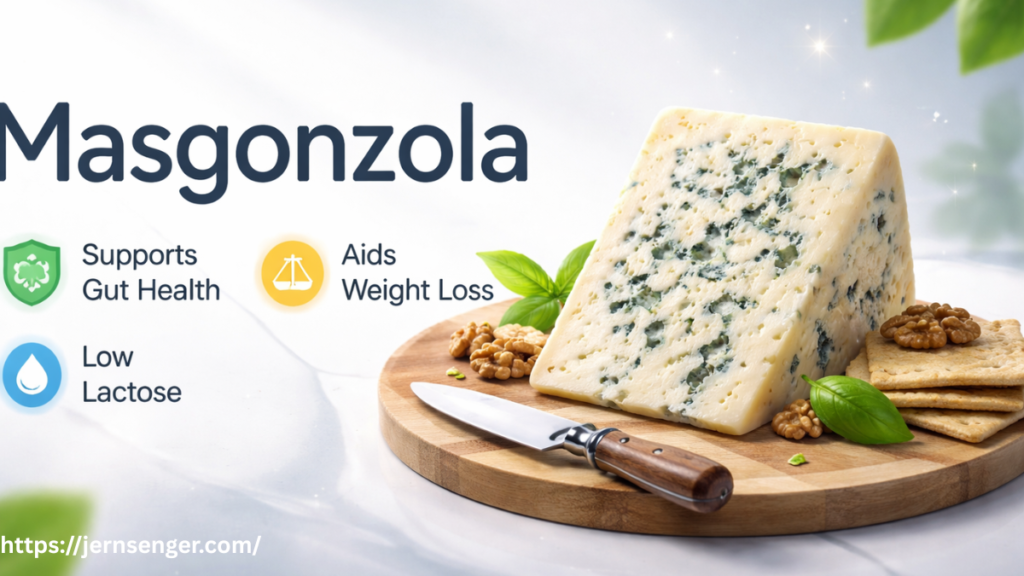
Masgonzola contains live probiotics, which help improve digestion and promote a healthy gut microbiome. These good bacteria can alleviate issues like IBS and promote overall gut health.
- Probiotics: Help maintain a healthy balance of gut bacteria.
- Calcium: Supports strong bones and teeth.
- Low Lactose: Masgonzola contains minimal lactose, making it easier to digest for those with lactose intolerance.
Masgonzola and Weight Management: Can This Creamy Cheese Help You Shed Pounds?
Masgonzola contains CLA (conjugated linoleic acid), which has been linked to fat loss and improved metabolism. While it’s high in fat, incorporating it into a balanced diet can aid in weight management.
However, enjoy it in moderation. Use it alongside a healthy diet and regular exercise to reap its benefits.
Common Mistakes When Using Masgonzola: What to Avoid for the Perfect Dish
- Overloading dishes: Due to its richness, Masgonzola should be used in moderation. Too much can overpower the other flavors.
- Improper storage: Always wrap Masgonzola in wax paper and store it in an airtight container to maintain its freshness.
- Ignoring aging time: Since Masgonzola has a shorter aging process, it spoils faster than traditional blue cheeses if not stored properly.
Should You Use Masgonzola? A Decision Guide for Cheese Lovers
Masgonzola is ideal for those who:
- Want a creamy blue cheese without the sharpness.
- Enjoy both sweet and savory dishes.
- Appreciate probiotic health benefits.
If you’re a fan of stronger blue cheeses like Gorgonzola, you might find Masgonzola too mild for your taste.
When Masgonzola Fails: Why It Might Not Work in Every Recipe
Masgonzola’s creamy texture can be a disadvantage in some recipes, particularly if the dish requires a firmer cheese. It can also melt too much in high-heat applications, creating a runny sauce.
How to Store Masgonzola for Maximum Freshness: Expert Tips
To keep Masgonzola fresh:
- Wrap it in wax paper or cheese paper.
- Store it in an airtight container in the fridge.
- Consume it within 1–2 weeks for the best flavor.
Masgonzola and Pairing Wines: What’s the Best Drink to Complement This Cheese?
Pair Masgonzola with:
- Sauternes or Port for a sweet contrast.
- Pinot Noir for a light red pairing.
- Sparkling water with lemon to cut through the richness.
You may also like: Erectn
The Sustainability of Masgonzola: Eco-friendly Practices in Modern Cheese Production
Many producers of Masgonzola use grass-fed cows, which helps reduce the environmental impact of cheese production. Additionally, the shorter aging process requires less energy, making Masgonzola an eco-friendly cheese choice.
Conclusion
Masgonzola is a delicious, versatile cheese that combines the creamy richness of Mascarpone with the tangy boldness of Gorgonzola. It’s ideal for cheese lovers looking for a more approachable blue cheese or anyone seeking to add a new twist to their cooking. With its health benefits and culinary potential, Masgonzola is a must-try for anyone exploring the world of artisan cheeses.
FAQs
1. Is Masgonzola a healthier alternative to other blue cheeses?
While Masgonzola has probiotic benefits and is lower in lactose, it’s still a high-fat cheese and should be consumed in moderation. It can offer digestive benefits, but its fat content can still contribute to weight gain if overconsumed. Consider pairing it with a balanced diet and exercise for the best long-term health impact.
2. Should I avoid Masgonzola if I have a strong dislike for blue cheese?
Yes, Masgonzola still retains blue cheese characteristics, albeit milder. If you’re sensitive to even the slightest blue cheese flavor, it may not be suitable for you. However, it’s a great middle ground for those looking to ease into blue cheese without the full intensity.
3. What are the long-term effects of consuming Masgonzola regularly?
In the long term, regular consumption of Masgonzola can provide benefits for gut health due to its probiotic content and bone strength from calcium. However, its high-fat content means it’s important to eat it in moderation to avoid excessive calorie intake. Pairing it with other healthy lifestyle habits will help optimize its benefits.
4. What are the hidden risks of eating Masgonzola with high-calorie diets?
One hidden risk of eating Masgonzola is its calorie density. Consuming it frequently in high-calorie diets can lead to weight gain and disrupt a balanced nutritional plan. It’s crucial to account for its high fat and protein content when tracking your daily intake.
5. Does Masgonzola go bad faster than other cheeses?
Yes, Masgonzola spoils more quickly than traditional blue cheeses due to its shorter aging period and creamy texture. It’s more prone to spoilage, especially if not stored correctly. Always keep it in an airtight container and consume it within a couple of weeks for the best flavor and freshness.