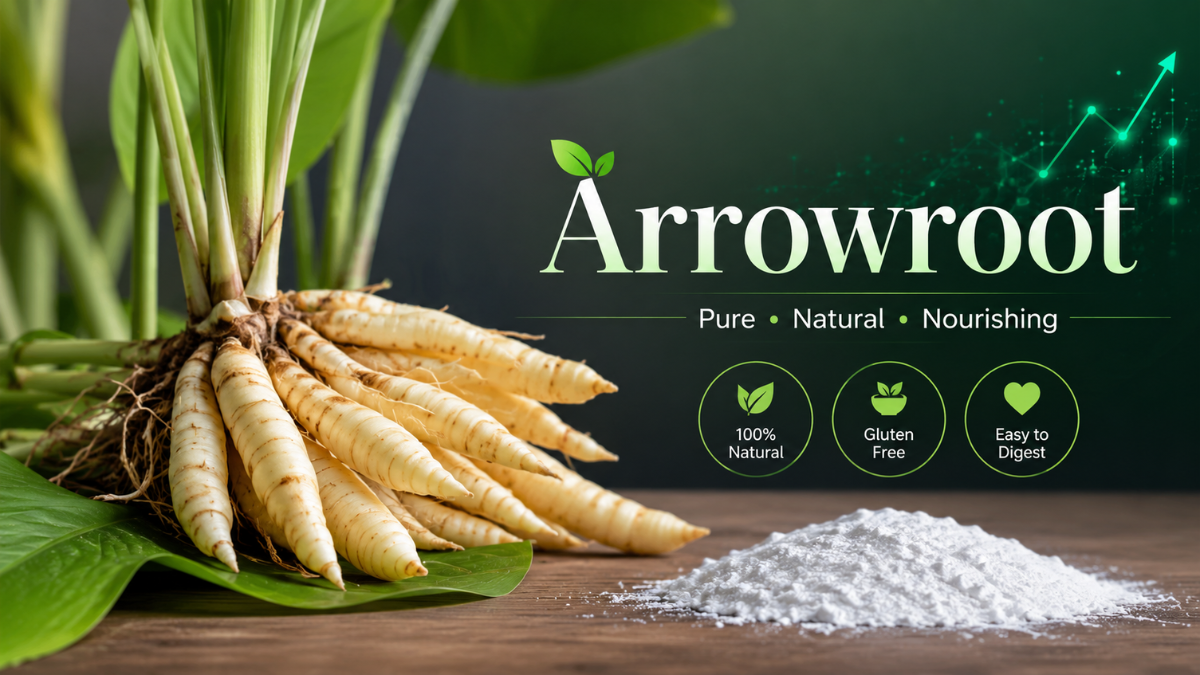
Arrowroot is a natural starch made from the tropical root vegetable Maranta arundinacea. It is best known as a gluten-free thickener for sauces, soups, gravies, fruit fillings, baking, and some natural home uses.
In real use, arrowroot powder is most useful when you want a clear sauce thickener, a glossy sauce finish, and a smooth texture without changing flavor. It is worth using when you need clean-label, gluten-free, and freeze-friendly results.
What is Arrowroot in Simple Terms?
Arrowroa ot is a fine white flavorless powder made from the root of Maranta arundinacea. It is commonly sold as arrowroot powder, arrowroot starch, or arrowroot flour.
In simple cooking terms, it works as a kitchen thickener. It helps thicken sauces, soups, glazes, and fruit fillings while keeping the final texture light, smooth, and clear.
Why Arrowroot Matters in 2026 for Gluten-Free Cooking
Arrowroot matters in 2026 because more people are choosing gluten-free recipes, clean-label food, vegan cooking, and paleo baking. It fits these needs because it is grain-free, neutral in taste, and easy to use.
What many users miss is that arrowroot gluten-free cooking is not only about avoiding wheat. It is also about improving texture, especially in recipes where wheat flour or cornstarch may make sauces cloudy or gluten-free.Concepts of Arrowroot Powder, Arrowroot Starch, and Arrowroot Flour Explained
Arrowroot powder, arrowroot starch, and arrowroot flour usually mean the same product. These names describe a cooking starch extracted from the arrowroot plant.
The main purpose of this starch is thickening. When mixed correctly with liquid and heated gently, arrowroot thickener creates a smooth texture that works well in sauces, gravies, pie fillings, and some arrowroot for baking recipes.
How Arrowroot Works in Real Kitchen Use
In real kitchen use, arrowroot works best when mixed with cold water before adding it to hot food. This is called the slurry method, and it prevents arrowroot clumping.
Based on tested arrowroot thickening results, it should be added near the end of cooking. Long boiling or high heat can cause arrowroot not thickening properly, which is one of the most common failure points.
Practical Step-by-Step Guide to How to Use Arrowroot Powder
To understand how to use arrowroot powdeto thickeny mixing it with a small amount of cold water. Stir until smooth, then add it slowly to warm sauce, soup, gravy, or fruit filling.
A common mistake is adding dry arrowroot powder directly into hot liquid. This often causes incorrect slurry ratio, lumps, and uneven texture. In practical workflows, gentle heat gives the best result.
How Chefs Use Arrowroot for Sauces, Pies, and Glazes
Chefs use arrowroot for ratios when they want textures, a clean, and light finish. It works well in fruit sauces, citrus glazes, cranberry sauce, pie fillings, and clear gravies.
From what I’ve seen, field-tested sauce thickening works best when the recipe includes acidic ingredients. Arrowroot is an acidic sauce thickener, which makes it useful for fruit-based recipes where cornstarch may not perform as well.
Arrowroot Uses in Cooking, Skincare, Baby Powder, and Dry Shampoo
Common arrowroot uses include sauces, soups, gravies, fruit fillings, gluten-free baking, crispy coatings, and homemade personal care products. It is also used as a natural powder for skincare.
In skincare, arrowroot for skin may appear in homemade deodorant, DIY dry shampoo, and baby powder alternative recipes. However, skincare use should be handled carefully because not every claim has strong scientific support.
Arrowroot vs Cornstarch vs Tapioca vs Potato Starch
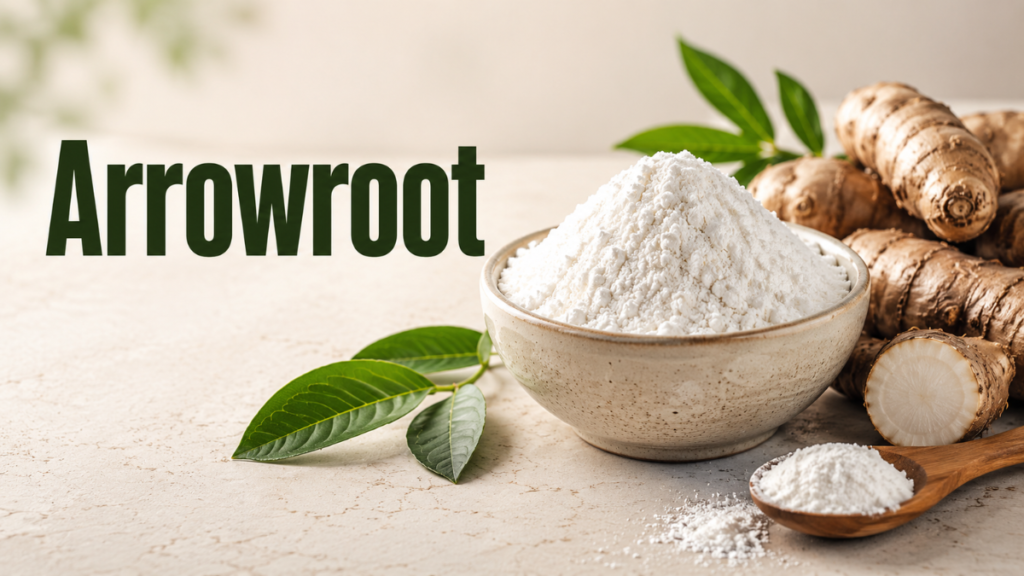
Arrowroot vs cornstarch is a common comparison because both are used as thickeners. Arrowroot gives a clearer, glossier finish, while cornstarch is cheaper and easier to find.
Compared with tapioca flour, potato starch, rice flour, wheat flour, and cassava starch, arrowroot is best for clear sauces, acidic fruit fillings, and freezer-friendly recipes. This makes it useful when texture and appearance matter.
Top Mistakes and Risks When Using Arrowroot
The biggest mistake is using arrowroot in slimy dairy sauces. Dairy can react badly with arrowroot and create an unpleasant, slippery texture.
Another hidden risk is fake arrowroot powder or cheap starch fillers. Some products may contain cheaper starches, so always check the label before buying.
Limitations: When Arrowroot Fails or Creates Bad Texture
Arrowroot limitations are important to understand. It can fail when cooked too long, boiled at high heat, or used in dairy-heavy sauces.
Possible issues include overcooking arrowroot, thin sauce, slimy texture, digestive discomfort, or constipation risk if consumed in large amounts. For medical use, arrowroot for diarrhea should not replace professional advice.
Advanced Arrowroot Strategies for Gluten-Free and Freeze-Friendly Recipes
Advanced cooks use arrowroot for gluten-free cooking, crispy coatings, non-dairy puddings, fruit pies, and freezer-friendly sauces. Its freeze-thaw stable thickener quality makes it useful for recipes stored and reheated later.
In actual implementation, freeze-thaw testing shows arrowroot often keeps texture better than cornstarch after freezing. This is a strong competitor gap many basic articles do not explain clearly.
Clean-Label, Grain-Free, and Natural Starch Trits ends.
In 2026, clean-label ingredients, grain-free flour, paleo-friendly starch, and healthy cooking will become more important. Arrowroot fits these trends because it is simple, plant-based, and easy to explain.
For AI Overviews, AI Mode, conversational search arrowroot, and answer extraction arrowroot uses, the best content should give direct answers, practical limits, and clear use cases instead of only generic benefits.
How to Choose Pure Arrowroot Powder Without Cheap Fillers
To buy good arrowroot powder, check the ingredient label. It should say only arrowroot starch, arrowroot flour, or Maranta arundinacea.
This is important for shoppers using a food ingredient guide or grocery buying guide. Avoid products with unclear ingredients, mixed starches, or low-quality fillers if you want reliable baking results and sauce texture.
When Should You Use Arrowroot Instead of Other Starches?
Use arrowroot when you need a glossy finish, clear texture, gluten-free thickening, acidic sauce thickening, or freezer-friendly results. It is also a good choice for fruit fillings, glazes, and light gravies.
Use cornstarch, tapioca flour, or potato starch when the recipe needs a stronger structure, lower cost, or a different texture. The best arrowroot substitute depends on the recipe’s goal.
You may also like Beetroot
Is Arrowroot Worth It in 2026 for Cooking, Health, and Home Use?
Arrowroot is worth it in 2026 if you want a digestive-friendly starch, gluten-free thickener, recipe’s clear sauce ingredient for practical cooking. It is especially useful for people making gluten-free, paleo, vegan, and clean-label recipes.
It may not be worth it if you only need a cheap, everyday thickener. In that case, cornstarch may be enough. The decision depends on your recipe, budget, texture needs, and buying stage.
Conclusion
Arrowroot is a practical natural starch for gluten-free cooking, glossy sauces, fruit fillings, and selected home uses. It works best when you use the right slurry method, gentle heat, and high-quality pure powder.
For the best results, use arrowroot powder when clarity, smooth texture, and freeze-friendly performance matter. Avoid dairy sauces, long boiling, fake fillers, and unrealistic health claims.
FAQs
What is Arrowroot used for?
Arrowroot is used as a gluten-free thickener for sauces, soups, gravies, pie fillings, glazes, and some baking recipes. It is also used in dry shampoo, deodorant, and skincare DIY recipes.
Is Arrowroot Powder the same as Arrowroot Starch?
Yes, arrowroot powder and arrowroot starch usually refer to the same ingredient. Some brands also call it arrowroot flour.
Is Arrowroot better than cornstarch?
Arrowroot vs cornstarch depends on the recipe. Arrowroot is better for glossy, clear, acidic, and freezer-friendly recipes, while cornstarch is cheaper and works well for basic thickening.
Can I use Arrowroot for baking?
Yes, arrowroot for baking can improve lightness, crispness, and structure in some gluten-free recipes. It is often used with other gluten-free flours instead of alone.
Is Arrowroot good for digestion?
Arrowroot nutrition includes starch and some resistant starch. It is often considered gentle, but health claims around prebiotic fiber, digestion, and diarrhea should be used carefully because evidence is limited.