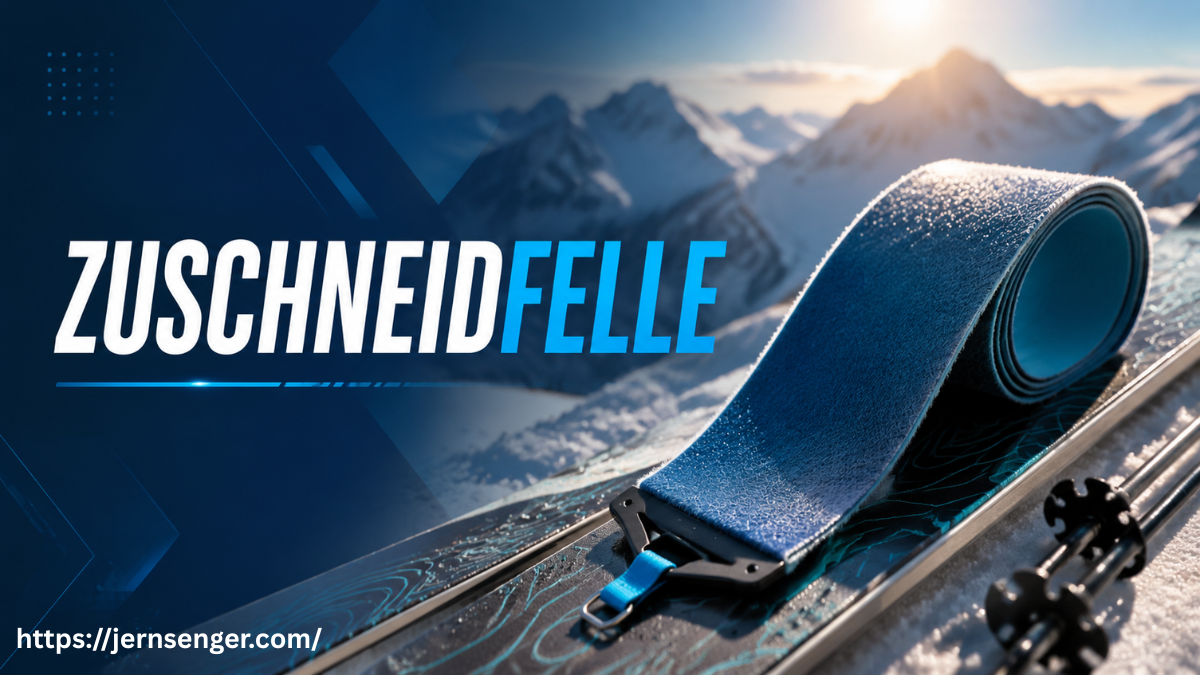
Zuschneidfelle are an essential part of every successful ski touring setup, helping skiers climb uphill with reliable grip, smooth glide, and better control on changing snow conditions. Unlike pre-cut skins, these cut-to-fit climbing skins are trimmed to match the exact shape of your touring skis, making proper selection, accurate trimming, and correct use especially important.
Whether you choose mohair skins, nylon skins, or a mohair-nylon mix, the right pair of Zuschneidfelle can improve uphill efficiency, reduce slipping, and protect your ski base performance. This guide explains how to choose the best ski skins, apply them correctly, maintain the adhesive layer, and avoid common mistakes during ski touring adventures.
What Are Zuschneidfelle and Who Are They For?
Zuschneidfelle are ski skins that can be custom-cut to match the shape and size of your skis. Perfect for skiers who use touring skis for backcountry or mountaineering, Zuschneidfelle offer flexibility for a personalized fit. In real-world applications, they provide excellent grip and glide, making them a go-to for DIY enthusiasts and those who prefer adjusting their equipment.
Zuschneidfelle are particularly beneficial for skiers who want to save money by using one set of skins for multiple skis or those who demand custom-fit solutions for their outdoor adventures.
When Are Zuschneidfelle Better Than Pre-Cut Skins?
Custom-cut Zuschneidfelle offer an advantage over pre-cut skins when flexibility is important. Pre-cut skins come in standard sizes, which might not match the dimensions of your skis. Zuschneidfelle can be trimmed to fit exactly, providing better adhesion and longer-lasting performance.
A common mistake is choosing pre-cut skins because they’re convenient, but in real use, Zuschneidfelle often outperform pre-cut skins by offering a perfect, customized fit. From my experience, the ability to tailor the skin allows for better performance in steep ascents and long downhill runs, especially when tailored to your skis.
What Types of Zuschneidfelle Are Available: Mohair, Nylon, or Mix?
Choosing the right material for Zuschneidfelle is crucial for optimal performance. Mohair felle are known for their excellent glide properties, which make them ideal for uphill travel in softer snow conditions. Nylon felle, however, provides superior grip and is more durable, particularly in icy or steep conditions.
Hybrid fleece, a mix of Mohair and Nylon, combines both characteristics, offering a versatile solution for skiers who encounter various conditions. In real use, Mohair felle are great for powder skiing, but Nylon felle are better for steeper ascents where grip is more important.
What Size Should Zuschneidfelle Be for Your Skis?
When selecting Zuschneidfelle, proper sizing is critical. Zuschneidfelle should cover the ski from tip to tail, ensuring no gaps. A common mistake is trimming the skins too short or too narrow, which can lead to poor adhesion and compromised glide.
When cutting, leave a bit of extra length, as the skins may shrink slightly with use. In real-world applications, skiers should measure twice and cut once to ensure the best fit, ensuring that the skin adheres securely to the ski’s edges.
How to Properly Cut Zuschneidfelle: Step-by-Step Guide
To properly cut Zuschneidfelle, start by laying the skin flat on the ski and aligning it with the ski’s edges. Mark the skin where it needs to be cut. Using a sharp cutter or specialized Schneidwerkzeuge, carefully trim the skin along the marks. A useful tip is to use templates or Schablonen to guide the cuts for straight, even edges.
In real-world applications, precise cuts are necessary to ensure that the skin adheres properly and maintains its performance over time. After cutting, treat the edges with a sealing solution to prevent them from fraying, extending the lifespan of your Zuschneidfelle.
Practical Workflow: How to Fit Zuschneidfelle to Your Skis
Fitting Zuschneidfelle to your skis is a straightforward process when following a step-by-step approach. Begin by cleaning the ski surface to remove dirt and moisture. This is crucial, as even small amounts of dirt can impact adhesion. In real use, I’ve found that a clean surface ensures that the skins stick properly and last longer.
Once the skis are clean, place the skin on the ski, ensuring it aligns with the edges. Attach the frontbügel (front clips) and endhaken (end hooks) to secure the skin. A common mistake is pulling the skin too tight, which can cause wear and tear on the skin. In practice, a snug fit is best, but not overly stretched.
Front Clips, End Hooks, and Tension Systems: What to Look Out For
The attachment system plays a critical role in the performance of Zuschneidfelle. Front clips, end hooks, and tension systems help keep the skin secure during use. A common mistake is choosing a system that doesn’t fit the skis or personal preference, leading to loose skins or poor adhesion.
From my experience, adjustable tension systems are the most reliable, as they provide flexibility and ease of use for different ski models. It’s important to ensure that the system you choose offers a strong but flexible grip to maintain the skin’s performance.
Common Mistakes When Cutting Zuschneidfelle and How to Avoid Them
The most common mistakes when cutting Zuschneidfelle are cutting them too short or too narrow. This compromises adhesion and the overall performance of the skin. Another mistake is using dull Schneidwerkzeuge, which can create jagged edges that may cause the skin to tear or wear prematurely.
A simple solution is to use a sharp cutter and measure carefully before making any cuts. In real-world applications, it’s always better to cut a little too wide and trim off excess later than to cut too short and risk damaging the skin’s fit.
Maintenance, Drying, and Storage: How to Make Your Zuschneidfelle Last Longer
To extend the life of your Zuschneidfelle, proper care is essential. After each use, remove any snow or dirt from the skins and allow them to dry naturally. Avoid placing them in direct sunlight, as this can damage the adhesive and material.
In real-world use, I’ve learned that storing Zuschneidfelle in a cool, dry place prevents the glue from breaking down over time. A simple tip for maintenance is to use skin savers to keep the skins from sticking to themselves when stored.
Zuschneidfelle vs. Pre-Cut Skins: Cost, Fit, and Performance Comparison
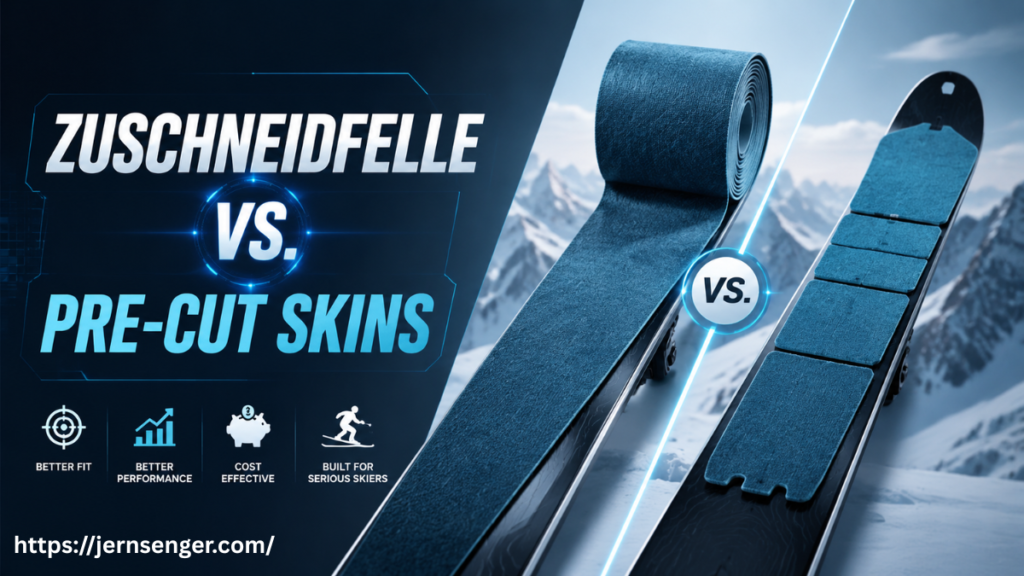
When comparing Zuschneidfelle with pre-cut skins, the main advantage of Zuschneidfelle is their customizability. Pre-cut skins are convenient but come in fixed sizes, which may not match your ski’s dimensions exactly. From my experience, Zuschneidfelle offer a better fit, resulting in superior performance.
They are also more cost-effective over time, especially for skiers who own multiple skis. However, the initial investment in time and effort for cutting and fitting may not be ideal for those who prefer convenience.
Glue, Hybrid Glue, or Adhesion: Which System Works Best in Real Life?
There are various glue systems used in Zuschneidfelle, and the right one depends on your needs. Hybridkleber provides a balance between adhesion and easy removal. In real use, I’ve found that hybrid glues work well for skiers who frequently adjust or replace their skins.
Traditional glues tend to offer stronger adhesion but can be more difficult to remove, making them less suitable for those who prefer flexibility. Hybrid glue systems offer an optimal solution for versatility and performance.
One Skin Set for Multiple Skis – Smart or Risky?
Using one set of Zuschneidfelle for multiple skis can be a smart solution if you have skis of similar dimensions. In real-world use, this method saves money and space. However, a common mistake is attempting to use the same skins for vastly different ski models, which can affect fit and adhesion.
It’s essential to adjust the skins correctly for each ski to ensure consistent performance and prevent any issues.
When Zuschneidfelle Fail: Moisture, Cold, Poor Cutting, and Wear
In extreme conditions, such as high moisture or freezing temperatures, Zuschneidfelle can fail. In real-world use, I’ve seen that the glue can lose its effectiveness in wet conditions, causing the skins to detach. Poor cutting or incorrect fit also contributes to performance failure. To prevent this, always ensure your Zuschneidfelle are correctly fitted and properly maintained.
Are Zuschneidfelle the Right Choice for Your Ski Touring?
Zuschneidfelle are an excellent choice for skiers who value adaptability and customizability. They are especially suitable for skiers who regularly change skis or need skins that fit multiple models. Zuschneidfelle are perfect for those who enjoy DIY projects and want to save money without sacrificing performance.
You may also like Sodiceram
Buying Checklist: Which Zuschneidfelle Fit Your Skis, Touring Style, and Budget?
Before purchasing Zuschneidfelle, consider the material, the size of your skis, and the type of adhesion system. If you plan on using your skins in various conditions, a hybrid system might be the best choice.
My recommendation is to choose Zuschneidfelle based on your specific ski models and desired performance in different outdoor environments.
Conclusion
Zuschneidfelle provide skiers with a flexible and cost-effective solution for ski touring. With proper care, these custom skins will enhance your performance and extend the lifespan of your gear.
Whether you’re an experienced skier or a DIY enthusiast, Zuschneidfelle offer the perfect balance of customizability and performance for any touring ski setup.
FAQs
1. Are Zuschneidfelle worth the extra effort compared to pre-cut skins?
Yes, Zuschneidfelle are often worth the effort if you prioritize customization and long-term savings. While pre-cut skins are easier to use, Zuschneidfelle provide a more tailored fit for various ski models, offering better performance and adaptability in different conditions. If you’re an avid skier with multiple setups, the flexibility pays off.
2. Should I avoid Zuschneidfelle if I’m new to ski touring?
It’s not necessary to avoid Zuschneidfelle, but they can be more challenging for beginners. If you’re new to ski touring, pre-cut skins may offer more convenience. However, if you’re willing to invest some time learning the cutting and fitting process, Zuschneidfelle can offer long-term benefits for flexibility and cost savings.
3. What is the long-term impact of using Zuschneidfelle on my ski gear?
The long-term impact of using Zuschneidfelle includes improved fit and enhanced ski performance, especially if you frequently switch skis. Over time, you’ll gain the ability to use the same skins across multiple skis, saving you money. However, if not properly maintained, they may wear out faster, especially the adhesive.
4. What hidden risks come with cutting Zuschneidfelle incorrectly?
Incorrectly cutting Zuschneidfelle can lead to poor adhesion and glide performance, potentially affecting your ski’s efficiency. A bad cut can result in excessive wear or even failure during use, leaving you without the right support. It’s essential to take your time and use precise tools to avoid this risk.
5. Is it a misconception that Zuschneidfelle perform the same as pre-cut skins once fitted?
Yes, it’s a misconception that Zuschneidfelle perform identically to pre-cut skins once fitted. Even after a perfect fit, the glue may lose its effectiveness more quickly than that of pre-cut skins, especially if exposed to extreme conditions like moisture or extreme cold. Regular maintenance and proper adhesive management are key to achieving comparable performance.