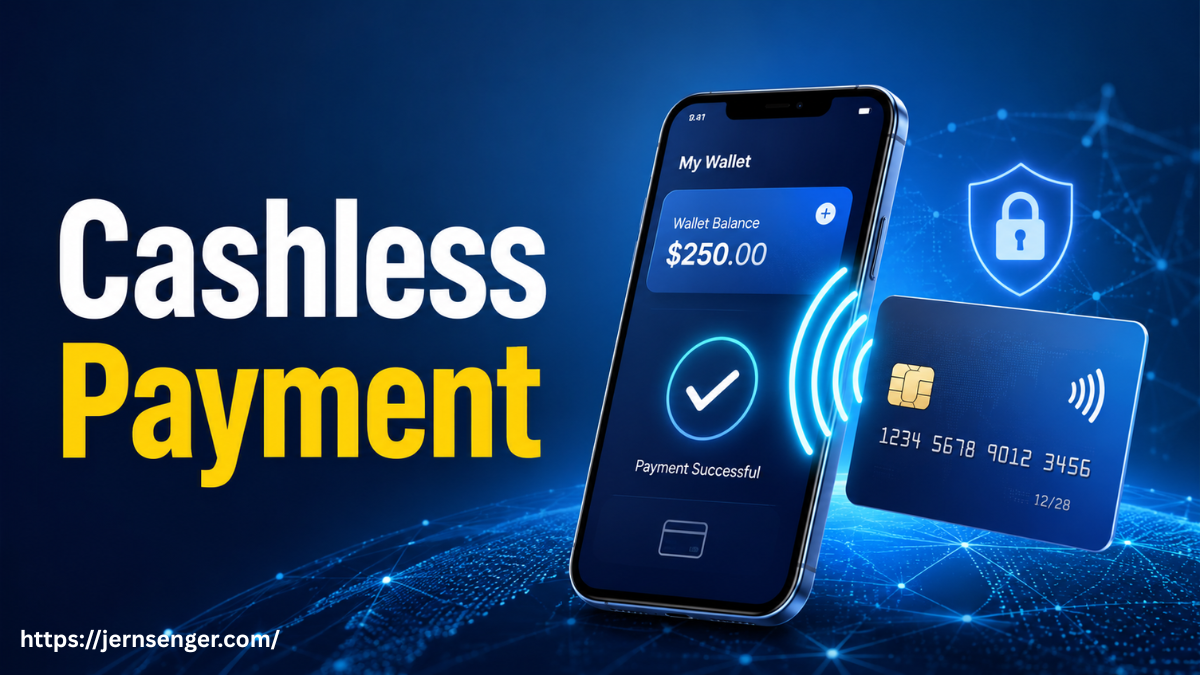
Cashless payments are digital transactions that eliminate the need for physical cash, offering consumers a faster, safer, and more efficient way to make purchases. With a wide range of options like mobile wallets, credit cards, and even cryptocurrency, businesses and consumers alike are adopting digital payment systems for their convenience and security.
The global rise in mobile technology and internet access has paved the way for cashless systems to thrive, making them essential to the modern economy.
The Rise of Cashless Payments: Why They’re Revolutionizing Transactions
The rapid rise of cashless payments can be attributed to multiple factors: increasing smartphone usage, improved internet connectivity, and a demand for faster, more secure transactions. In real use, mobile wallets like Apple Pay and Google Pay have replaced cash for daily purchases, while e-commerce platforms are increasingly dependent on digital payment systems for smooth transactions. Cashless payments are no longer just a convenience; they’ve become a necessity in the digital economy.
Key Benefits of Cashless Payments for Consumers and Businesses
For consumers, cashless payments provide:
- Convenience: No need to carry cash, making payments faster and easier.
- Security: Digital transactions are protected by encryption, biometric verification, and fraud detection measures, minimizing the risk of theft or fraud.
- Financial Tracking: Automatic logging of payments helps consumers manage spending and track finances more easily.
Real-Life Examples: How Cashless Payment Systems Are Changing Industries
From what I’ve seen, industries like retail and hospitality have seen significant transformations with the adoption of cashless payments. For instance, major retailers like Walmart and Amazon rely heavily on digital payment systems to process millions of transactions every day, improving both operational efficiency and customer experience. Similarly, fast food chains such as McDonald’s have embraced mobile wallets, allowing customers to place orders and pay through their smartphones, reducing wait times and enhancing service speed.
Cashless Payments: Common Mistakes and Risks to Watch Out For
A common mistake businesses make when adopting cashless payments is not offering multiple payment options. While cashless systems are increasingly popular, there are still segments of the population who prefer or only have access to traditional methods. In real use, this could alienate potential customers. Additionally, businesses should remain vigilant about security breaches. Fraud prevention systems, like tokenization and encryption, are essential to safeguarding payment data.
Cashless Payments in E-Commerce: Why You Can’t Afford to Ignore Them
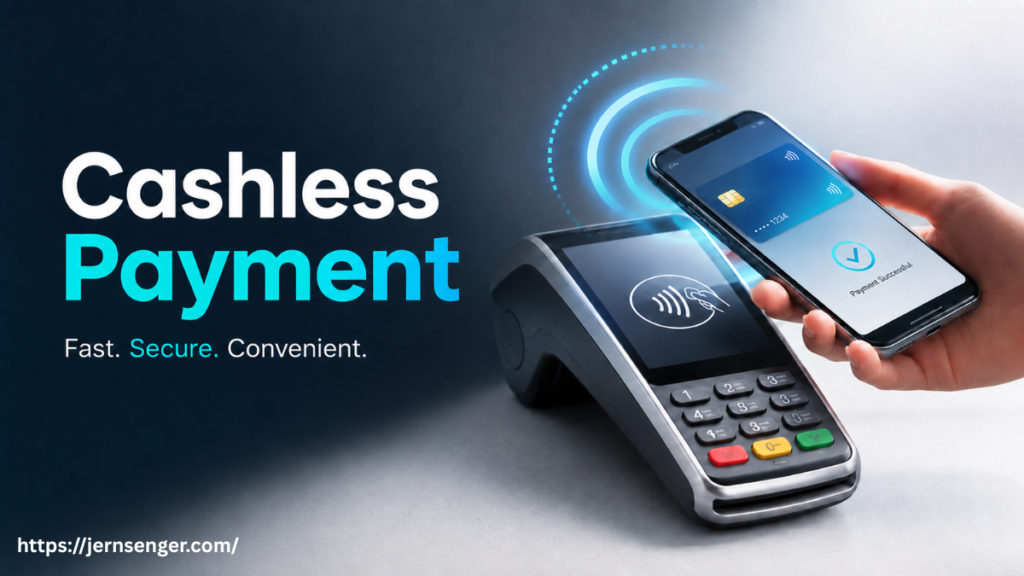
For e-commerce businesses, integrating cashless payments is crucial. It allows customers to complete purchases quickly and securely, increasing conversion rates. Without easy digital payment options, online stores risk losing customers to competitors offering a smoother checkout experience. Mobile wallets and credit cards are especially essential in the e-commerce world, offering instant and secure payment methods.
What Happens When Cashless Payments Fail: Challenges and Limitations
Despite their advantages, cashless payments are not without their risks. System failures or connectivity issues can lead to delays or failed transactions, frustrating both consumers and businesses. In real use, businesses must ensure that their payment systems are regularly updated and equipped with fail-safes to handle such issues. Additionally, payment fraud remains a concern, requiring constant vigilance and the adoption of fraud prevention technologies.
Is Cashless Payment Worth the Investment? A Decision-Making Guide for Businesses
Should your business switch to cashless payments? For most businesses, the answer is yes. While the initial setup cost might seem daunting, the long-term benefits of improved customer satisfaction, increased sales, and enhanced operational efficiency outweigh the costs. However, businesses should evaluate their customer base and ensure they have the infrastructure to support digital transactions before making the switch.
The Future of Cashless Payments: Trends to Watch for 2025 and Beyond
The future of cashless payments is filled with exciting developments. As we move forward, biometric authentication (like facial recognition and fingerprint scanning) will likely become the norm for ensuring secure transactions. Additionally, blockchain technology is expected to play a significant role in making payments more transparent and secure.
The rise of contactless payments and mobile wallets will continue to shape the landscape, offering even more convenience and efficiency.
You may also like Centro Politécnico Superior
Cashless Payments and Security: How Safe Are They Really?
Cashless payments are designed with multiple layers of security, including encryption, tokenization, and biometric verification. However, security risks still exist, such as fraud and cyberattacks. To mitigate these risks, businesses and consumers must stay vigilant, ensuring their payment systems are regularly updated and secure. Two-factor authentication and fraud detection systems play a crucial role in maintaining the safety of digital transactions.
Conclusion
Cashless payments are rapidly becoming the standard for modern transactions, offering numerous benefits for both consumers and businesses. They provide enhanced convenience, speed, and security, but also come with challenges, including security concerns and initial setup costs.
By embracing cashless payment systems, businesses can improve their operations, reduce risks, and meet the growing demand for digital transactions. As technology continues to evolve, the future of cashless payments looks brighter than ever, promising even more secure and seamless experiences for users worldwide.
FAQs
Should I Avoid Cashless Payments Due to Security Risks?
No, cashless payments are generally secure, thanks to encryption and biometric authentication. While there are risks, modern payment systems continually improve to counteract fraud and theft. It’s essential to stay updated on security practices, but the benefits far outweigh the potential risks.
Are Cashless Payments Just a Fad or Here to Stay?
Cashless payments are not a passing trend—they’re integral to the future of global commerce. As technology evolves, cashless systems will only become more secure and widespread. With the growing demand for faster and safer transactions, the adoption of cashless methods will continue to rise, especially in developing economies.
What Are the Long-Term Impacts of Cashless Payments on Consumer Behavior?
Over time, cashless payments are likely to encourage more spontaneous and frequent purchases, as digital transactions are quicker and easier than cash. Consumers will also benefit from better financial tracking, leading to improved budgeting and spending habits. However, the shift could further alienate those who still rely on cash, potentially exacerbating the digital divide.
What Hidden Risks Do Cashless Payment Systems Pose to Businesses?
One hidden risk businesses face is over-reliance on digital infrastructure. System failures or cyber-attacks can disrupt operations and damage customer trust. Additionally, businesses must stay on top of ever-evolving security measures to prevent data breaches, as failure to do so could result in costly fines and reputational damage.
What Are the Most Common Misconceptions About Cashless Payments?
A common misconception is that cashless payments eliminate the need for physical currency. While cashless systems are growing, there are still many regions and demographics where cash is widely used. Another myth is that cashless payments are always more secure—while generally safer than cash, they are still vulnerable to cybercrime, and businesses must be proactive about security measures.